Image 1 of 37
Image 2 of 37
Image 3 of 37
Image 4 of 37
Image 5 of 37
Image 6 of 37
Image 7 of 37
Image 8 of 37
Image 9 of 37
Image 10 of 37
Image 11 of 37
Image 12 of 37
Image 13 of 37
Image 14 of 37
Image 15 of 37
Image 16 of 37
Image 17 of 37
Image 18 of 37
Image 19 of 37
Image 20 of 37
Image 21 of 37
Image 22 of 37
Image 23 of 37
Image 24 of 37
Image 25 of 37
Image 26 of 37
Image 27 of 37
Image 28 of 37
Image 29 of 37
Image 30 of 37
Image 31 of 37
Image 32 of 37
Image 33 of 37
Image 34 of 37
Image 35 of 37
Image 36 of 37
Image 37 of 37
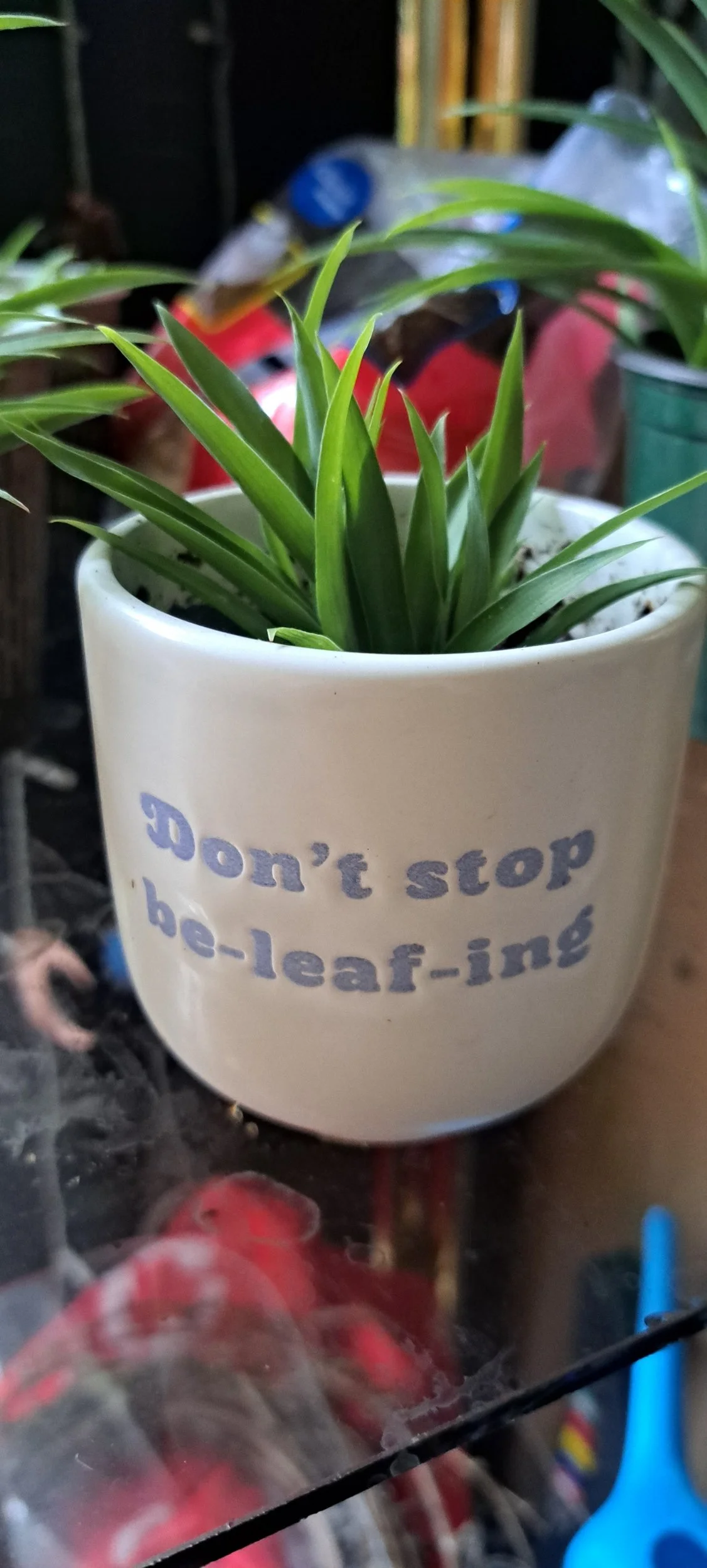
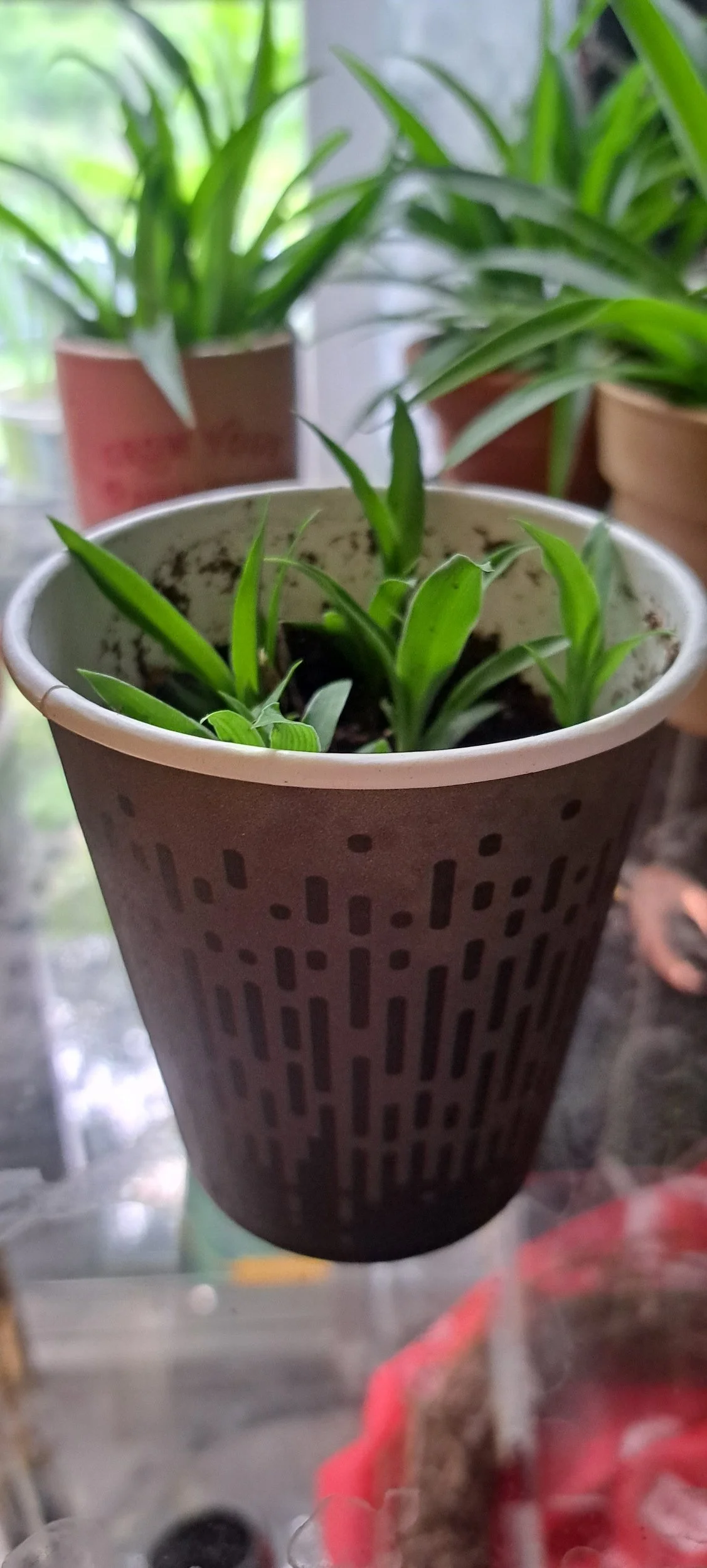
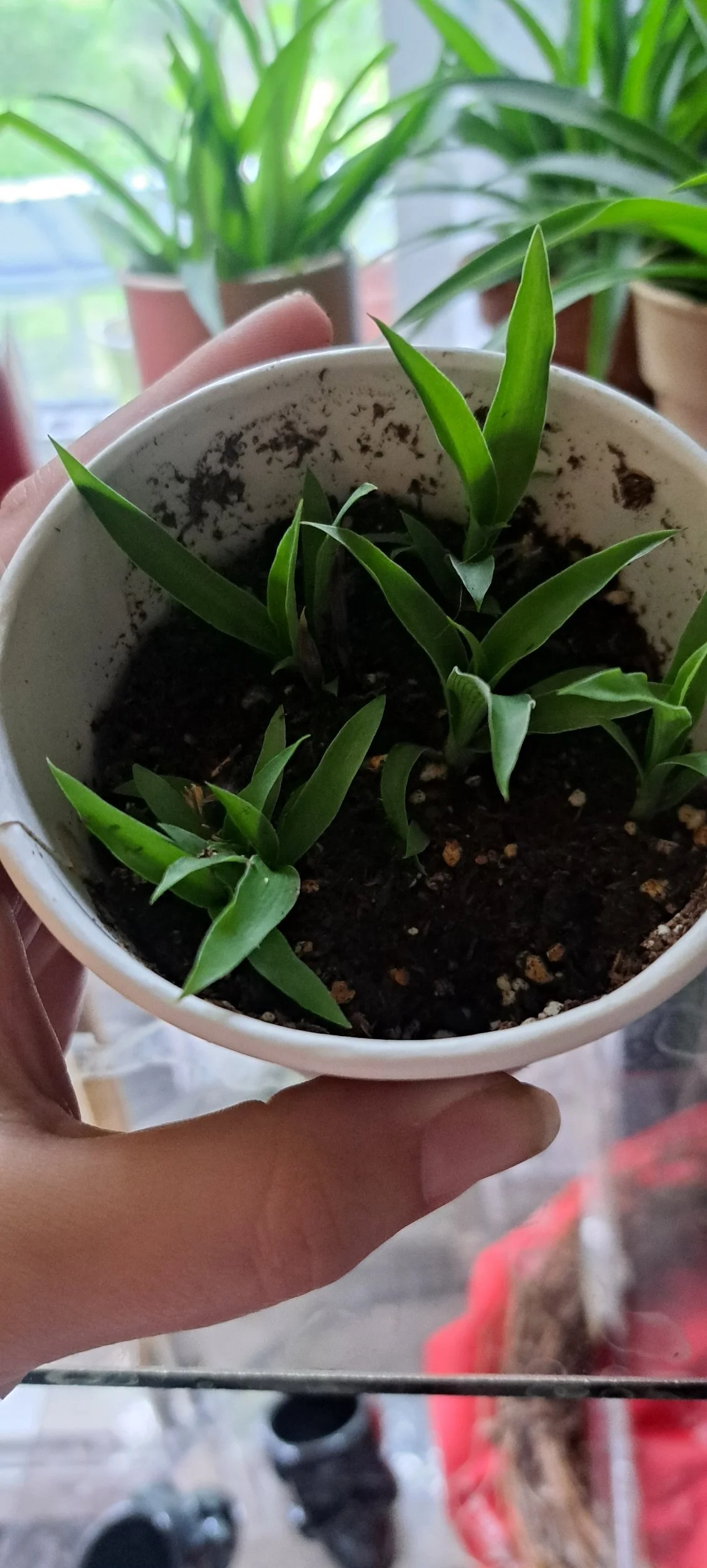
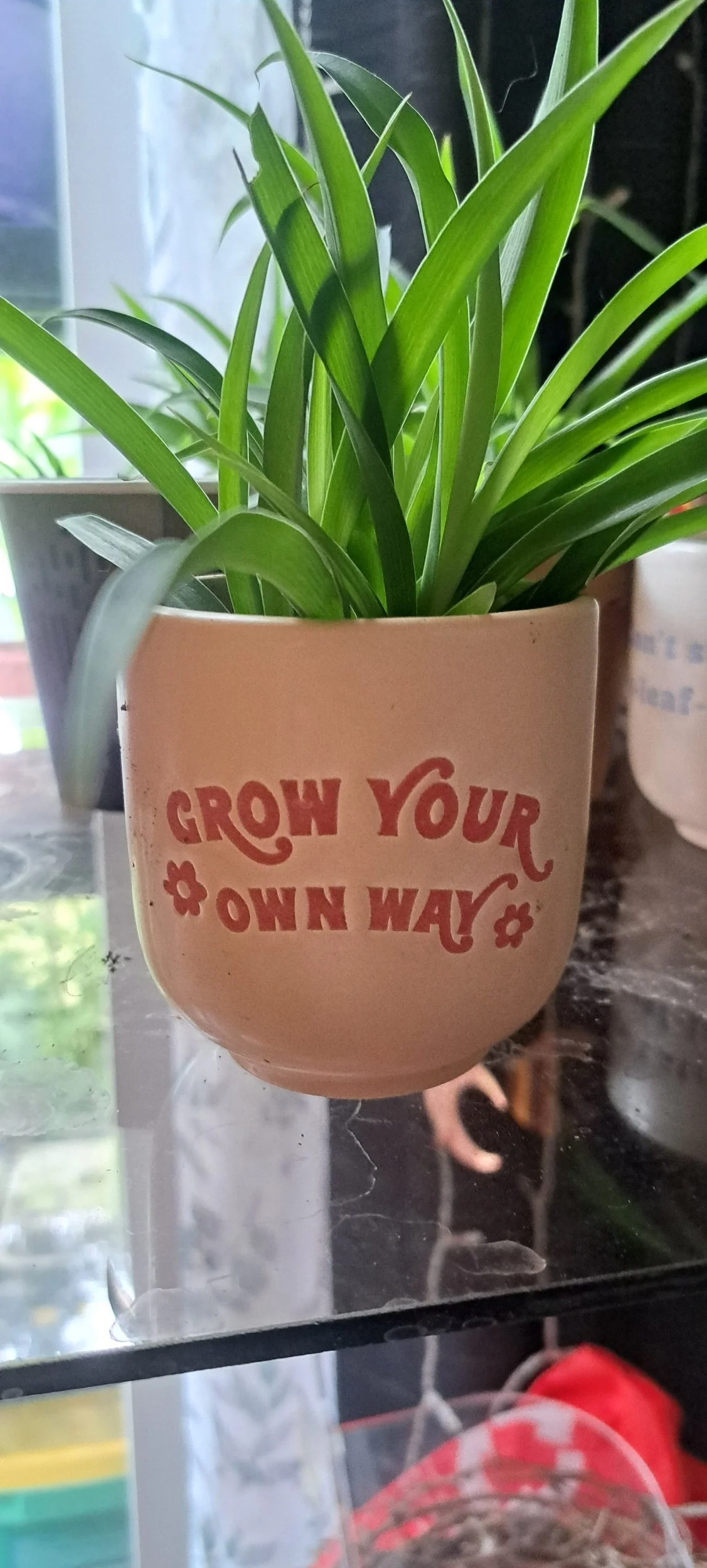
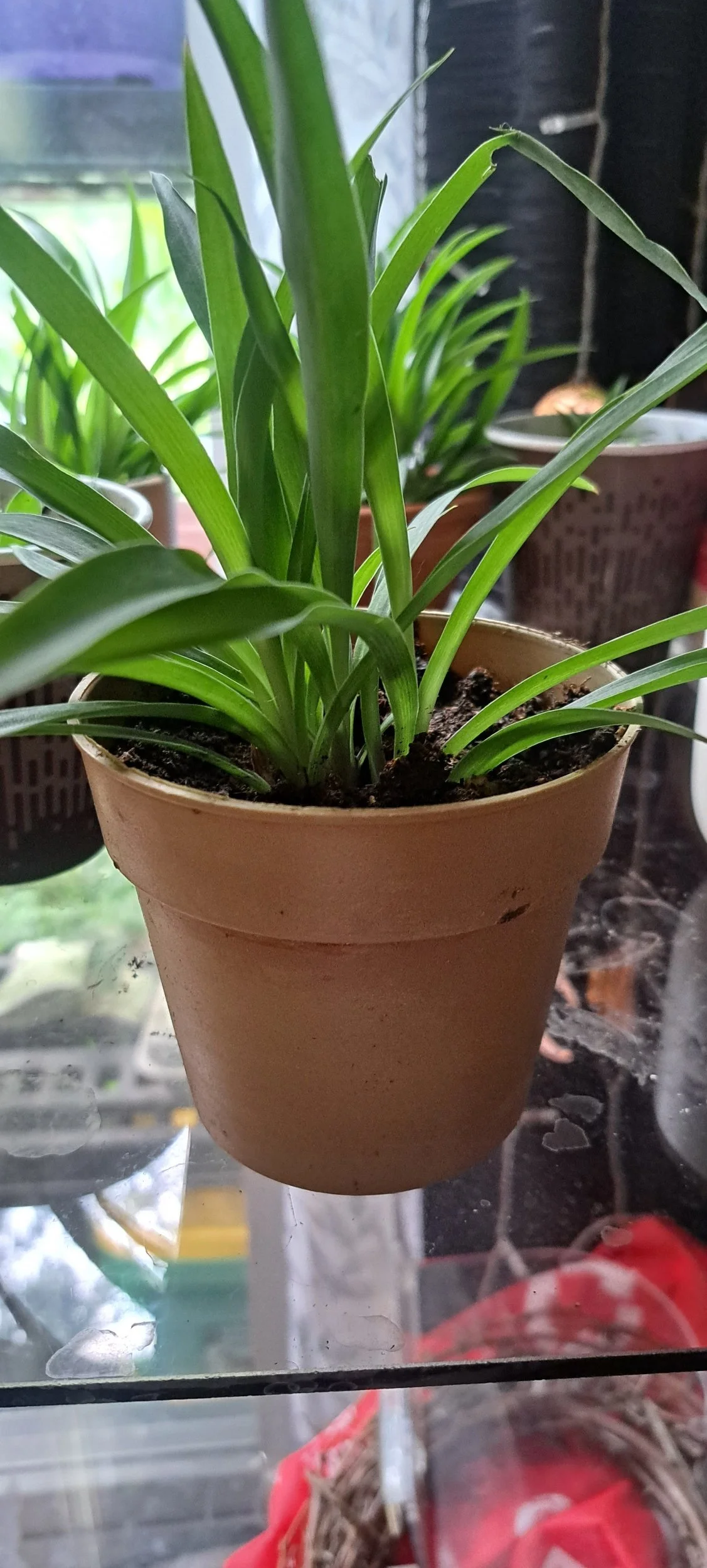
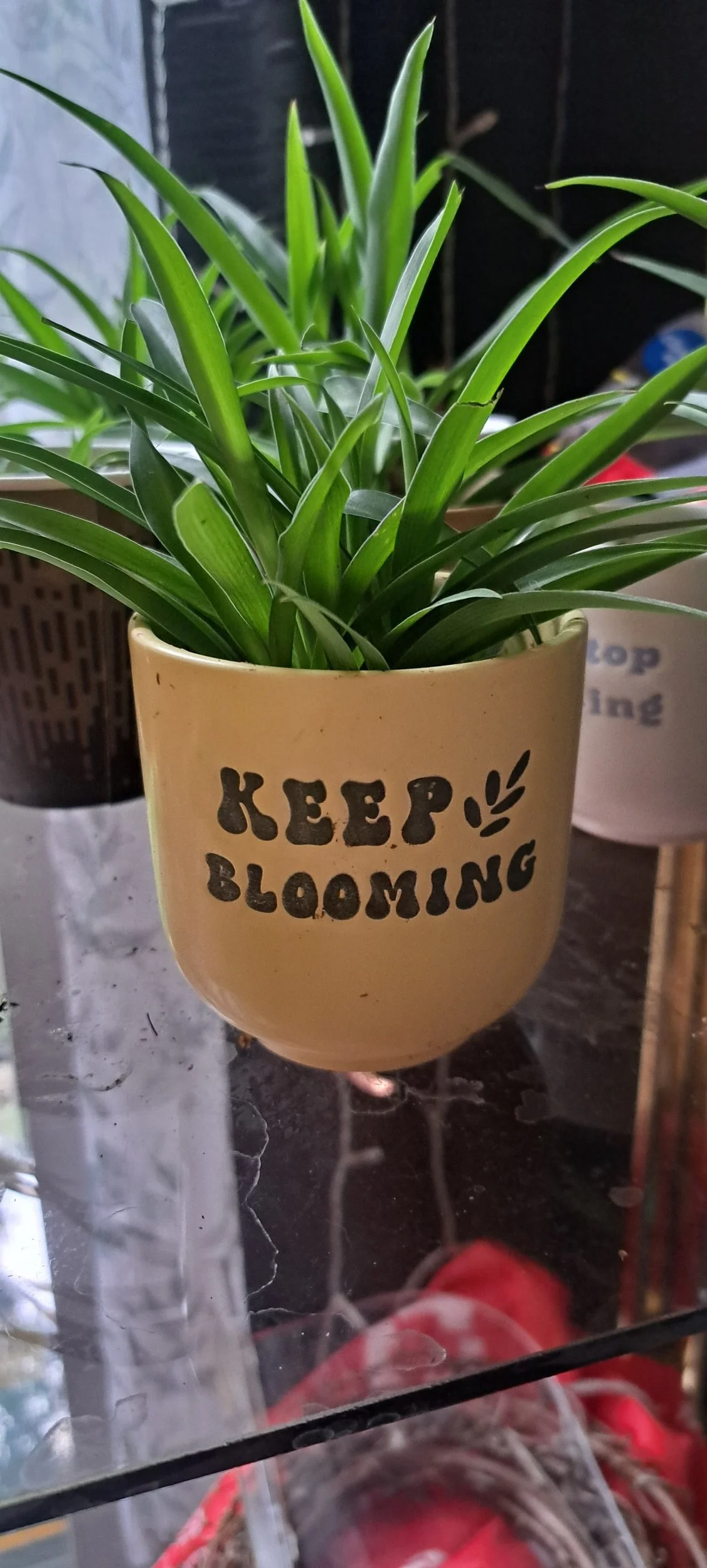
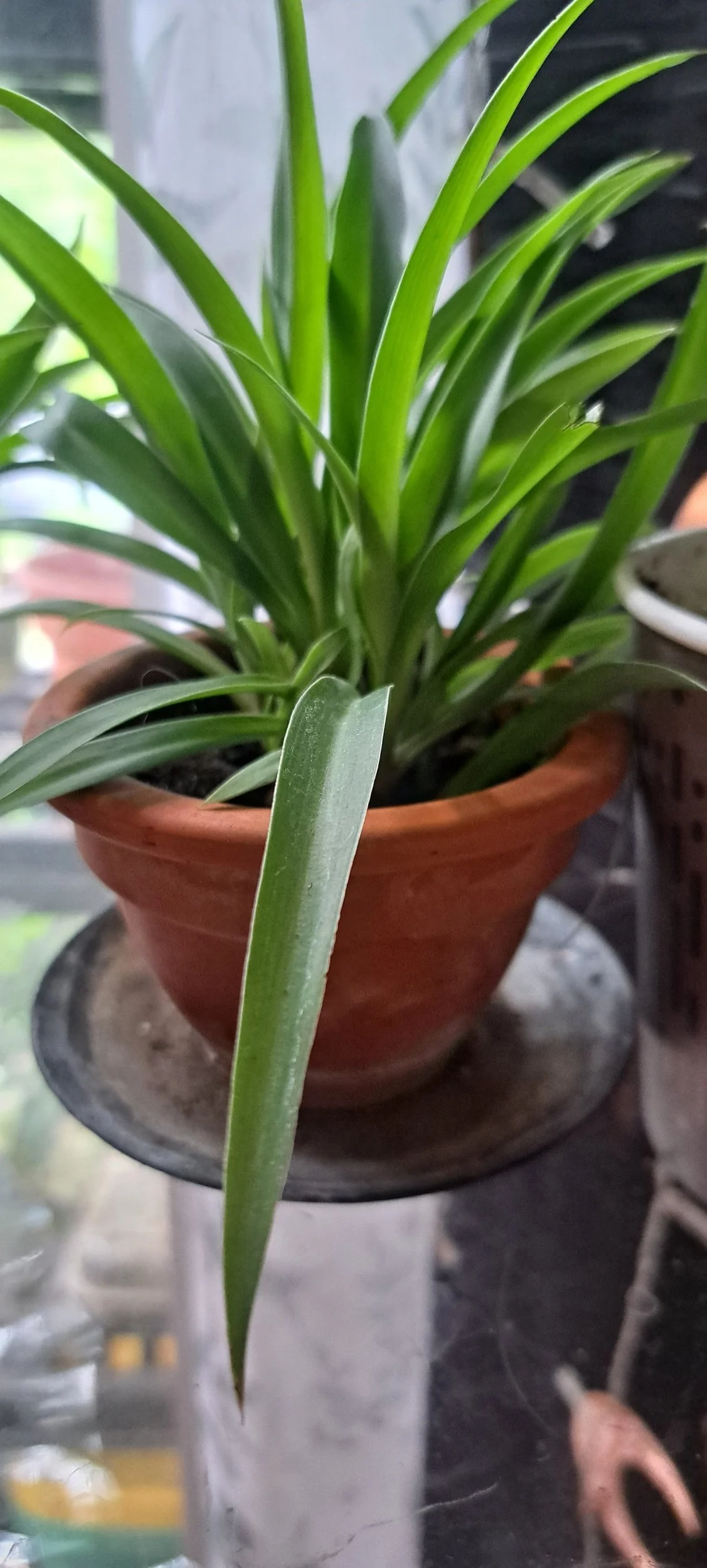
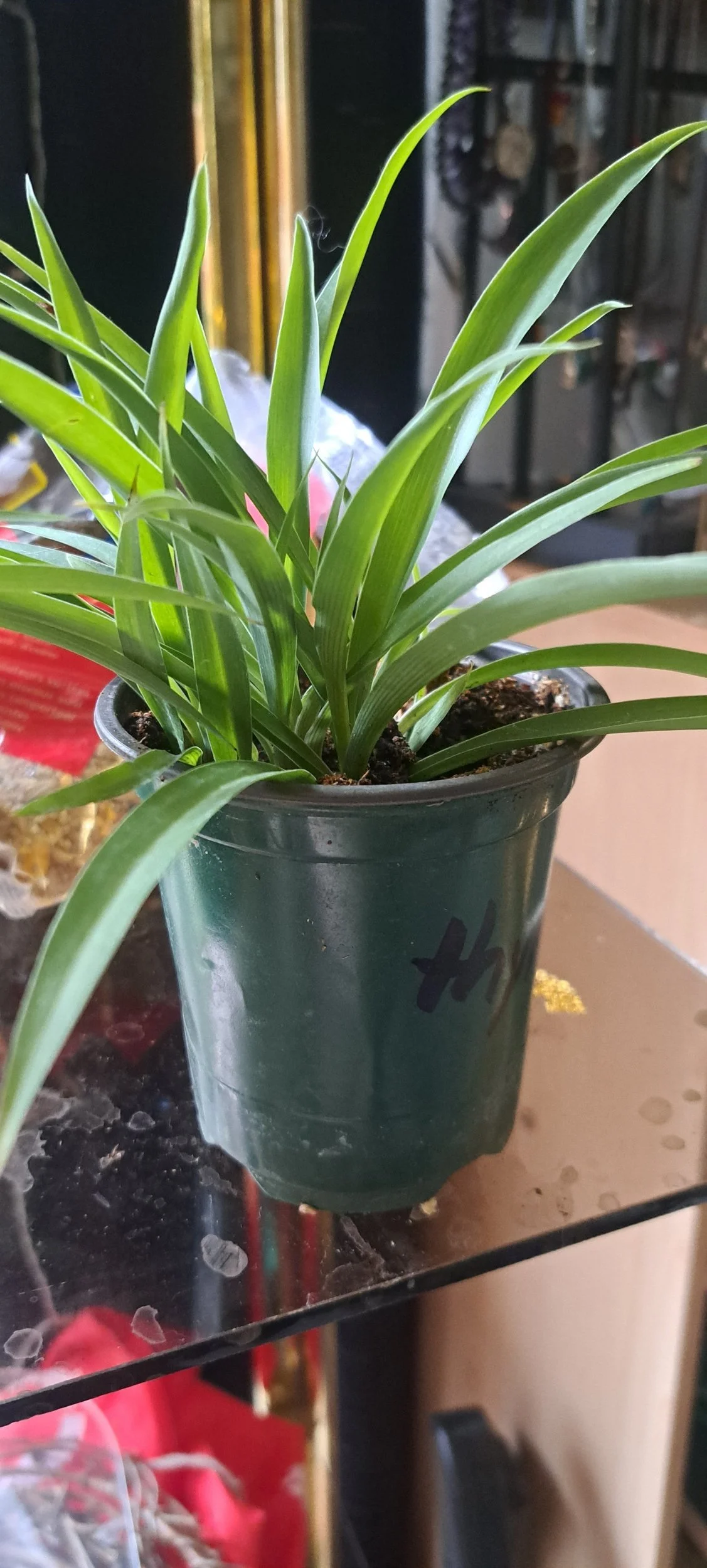
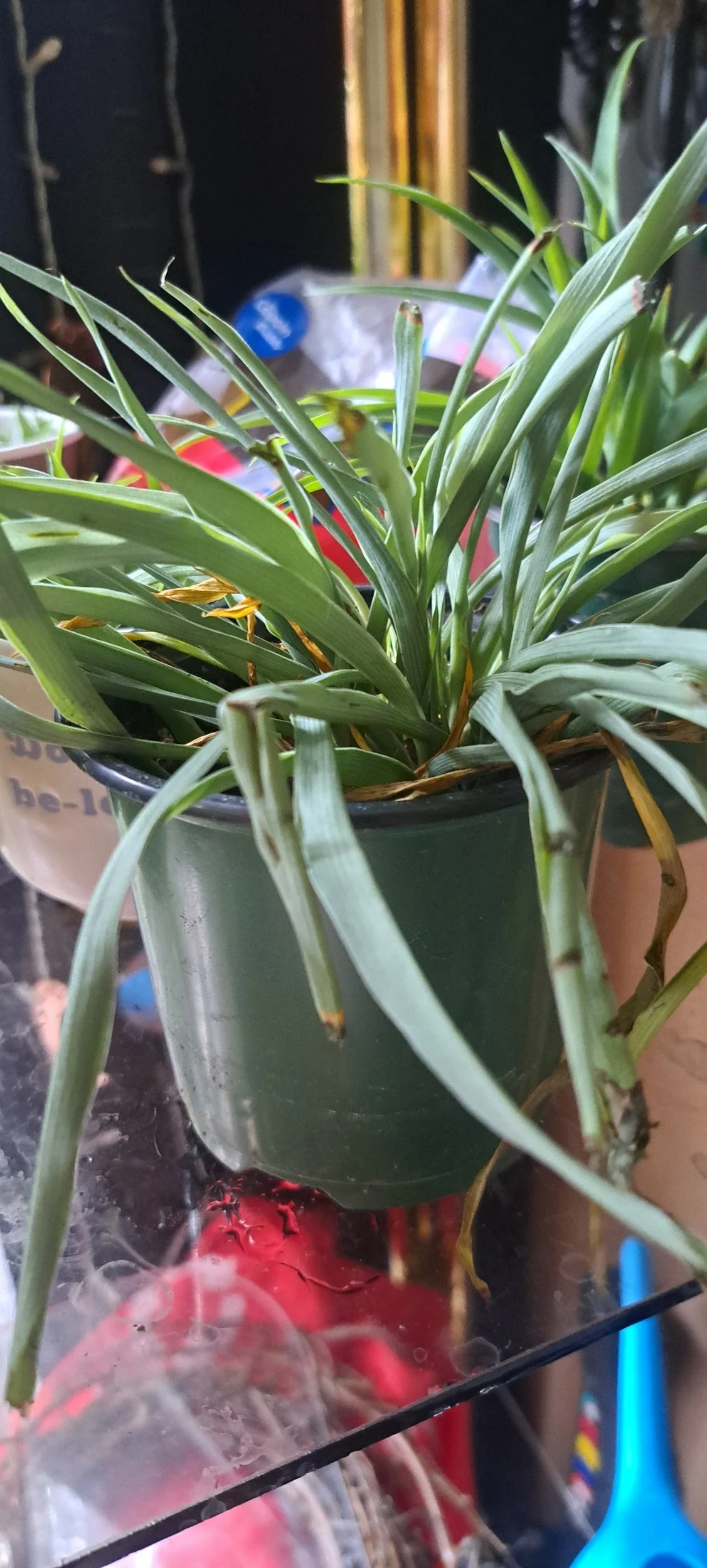
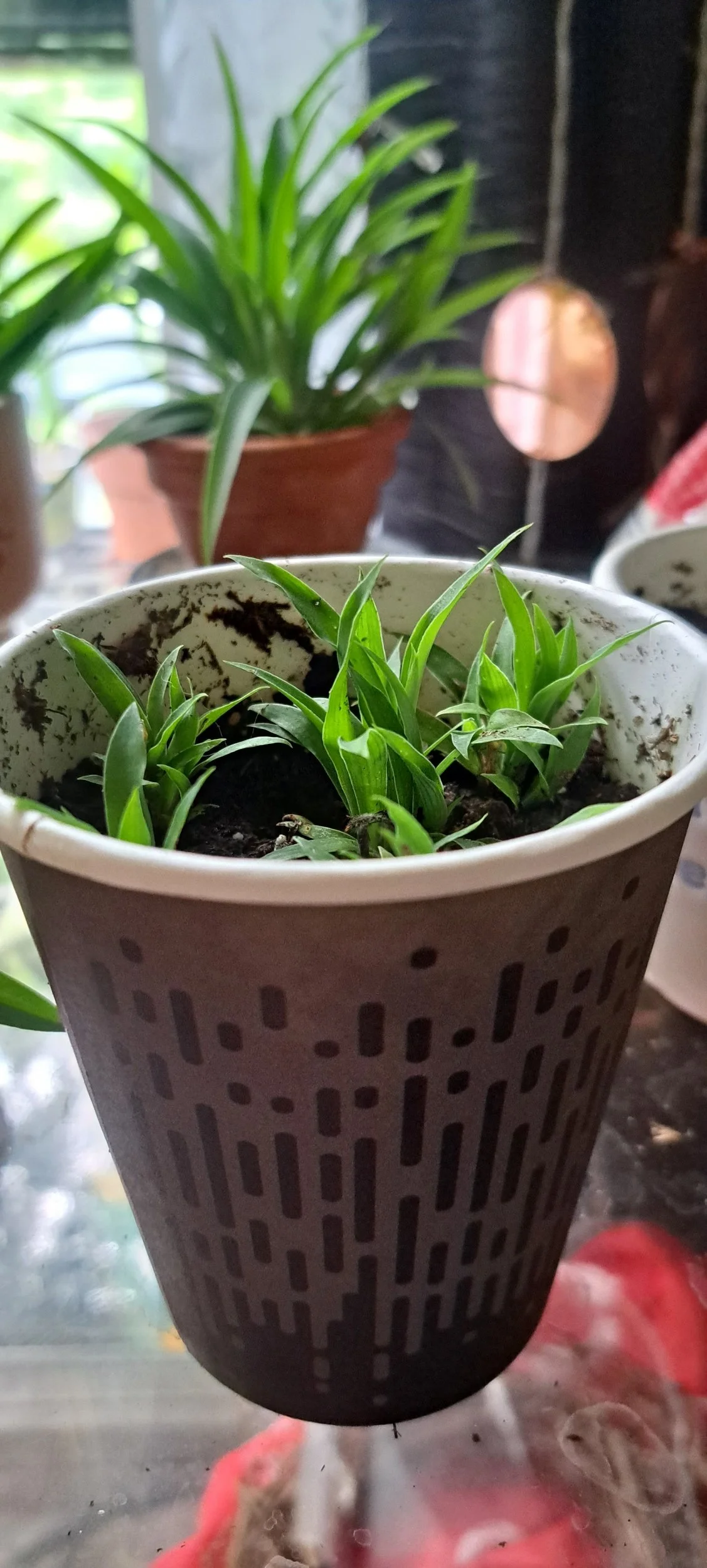
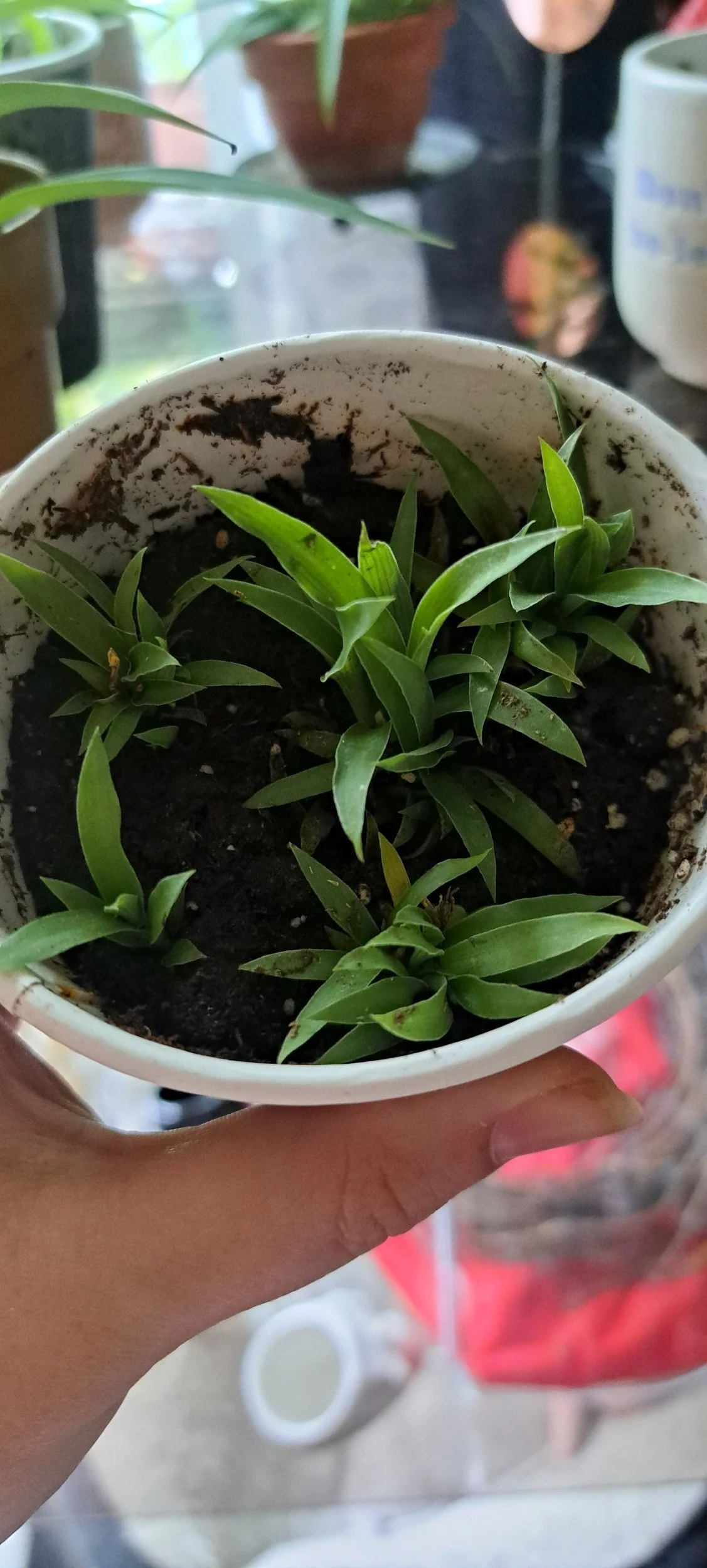
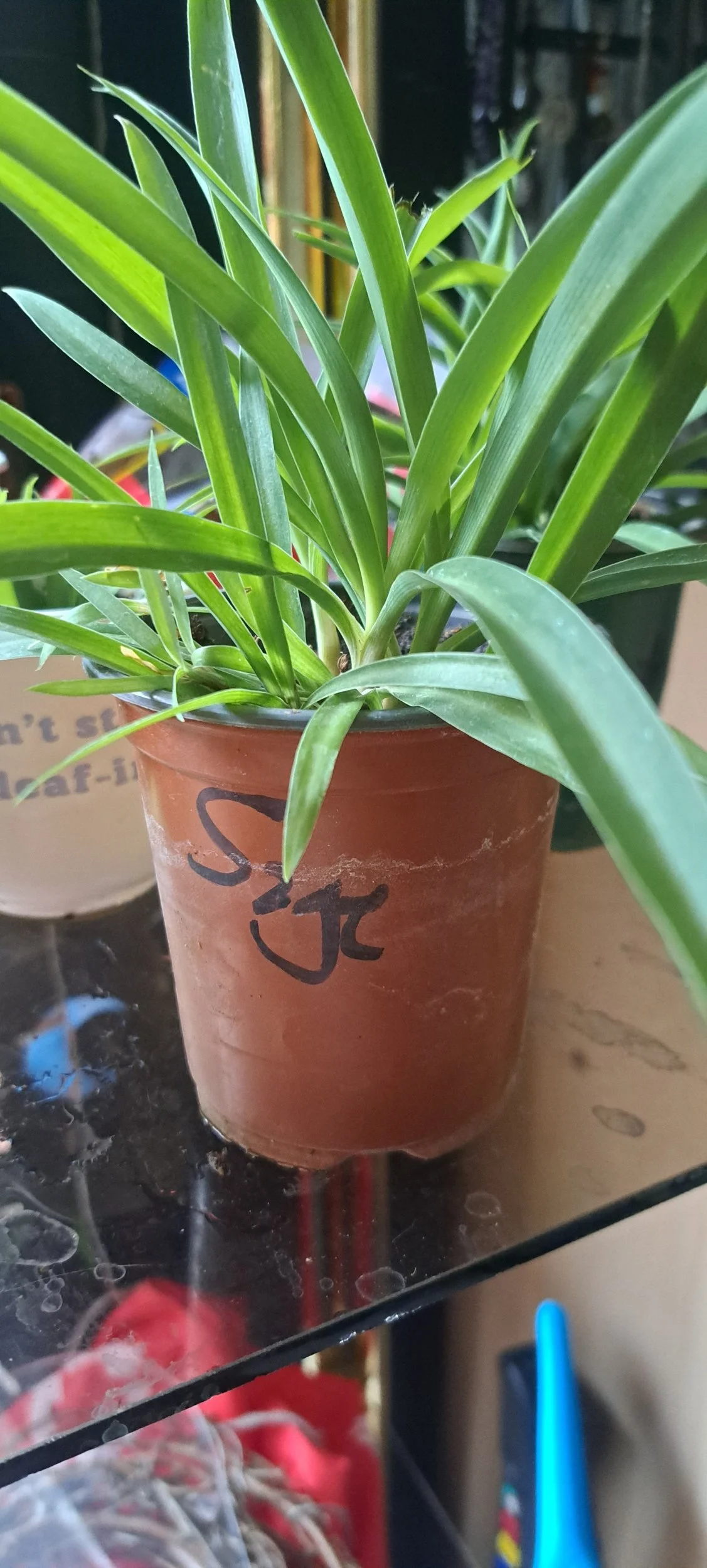
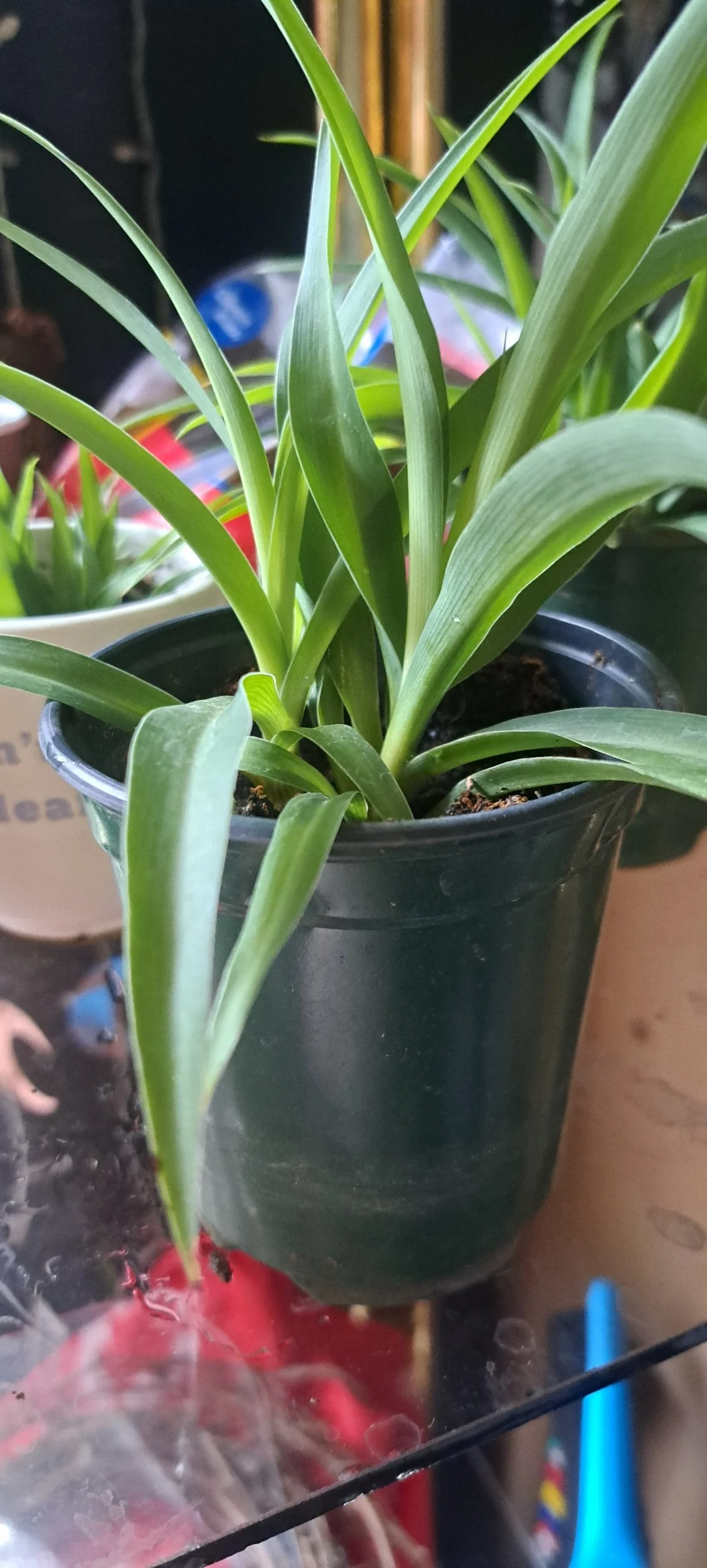
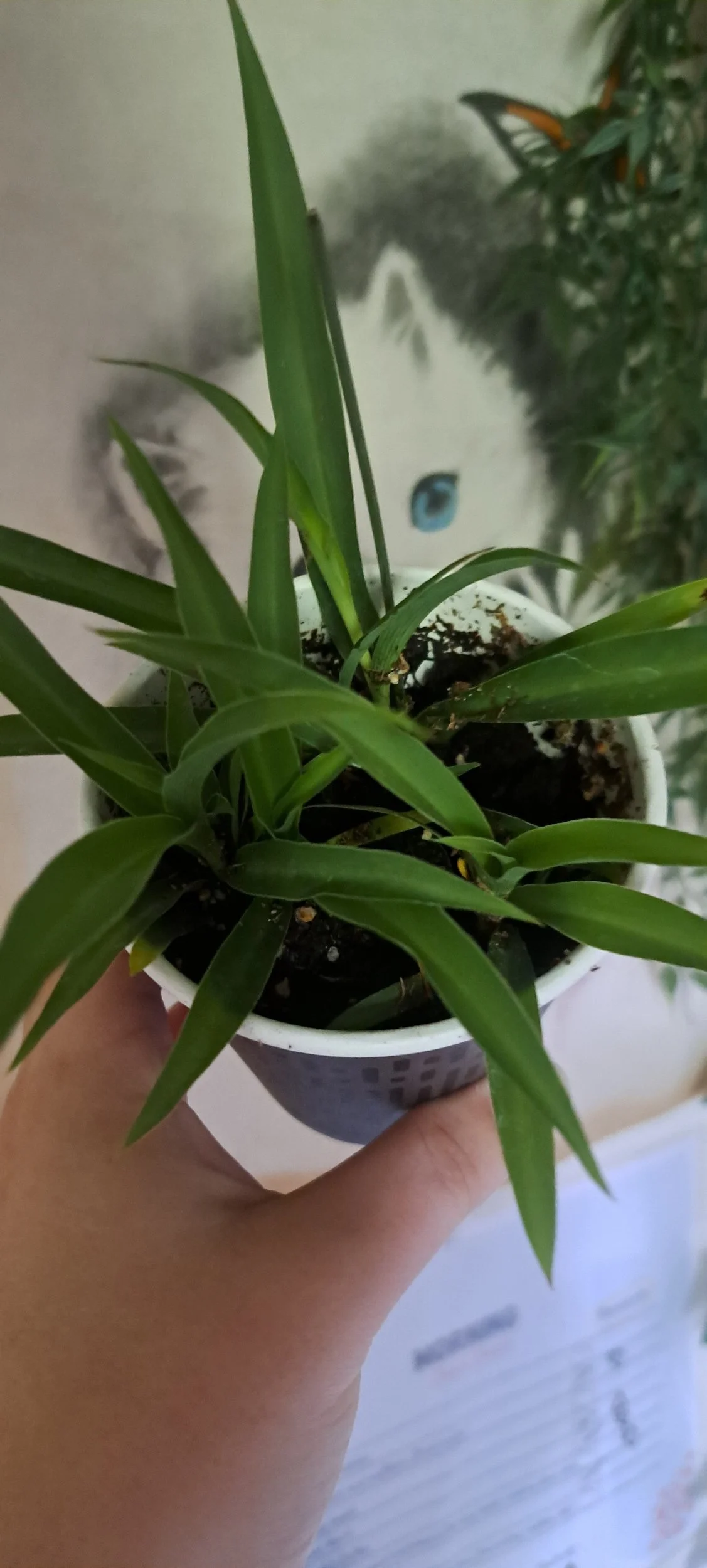
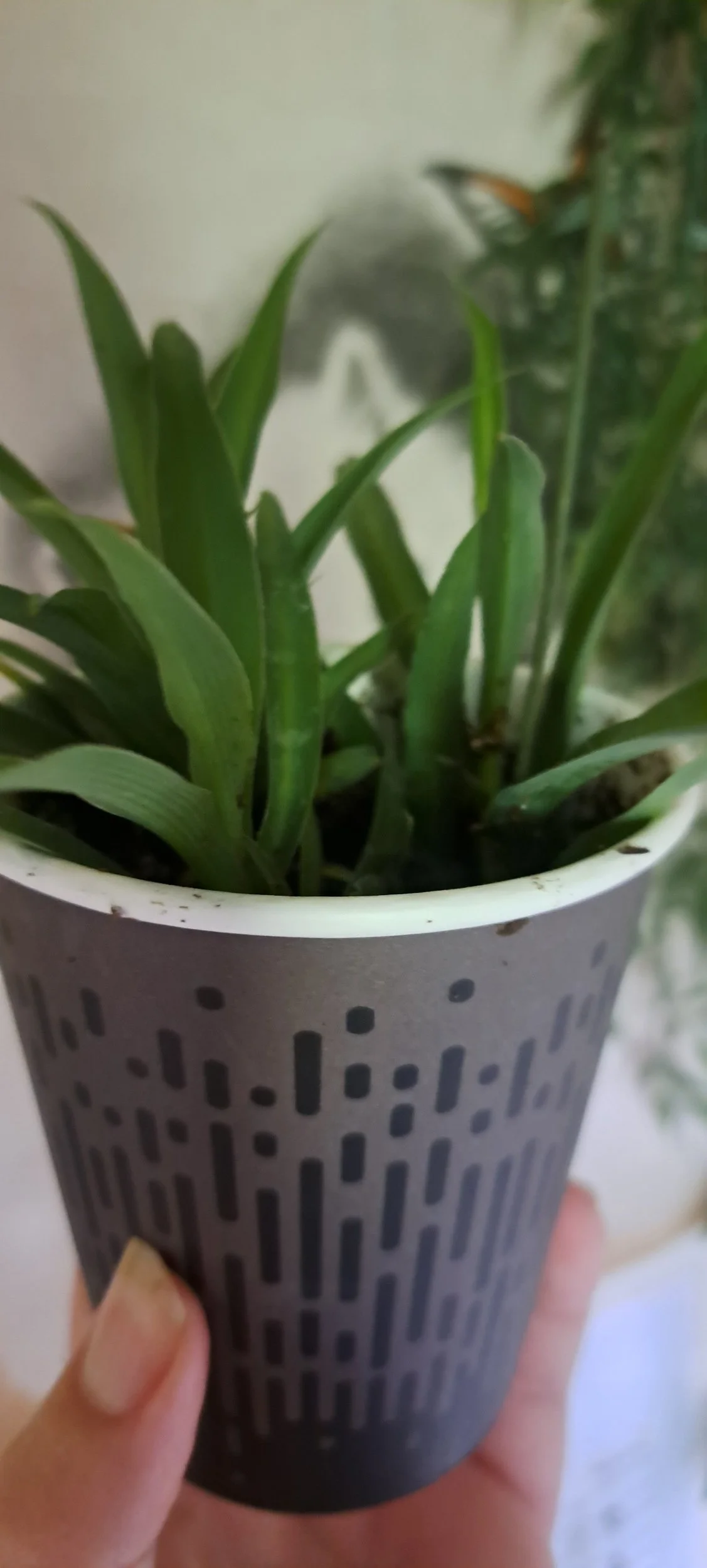
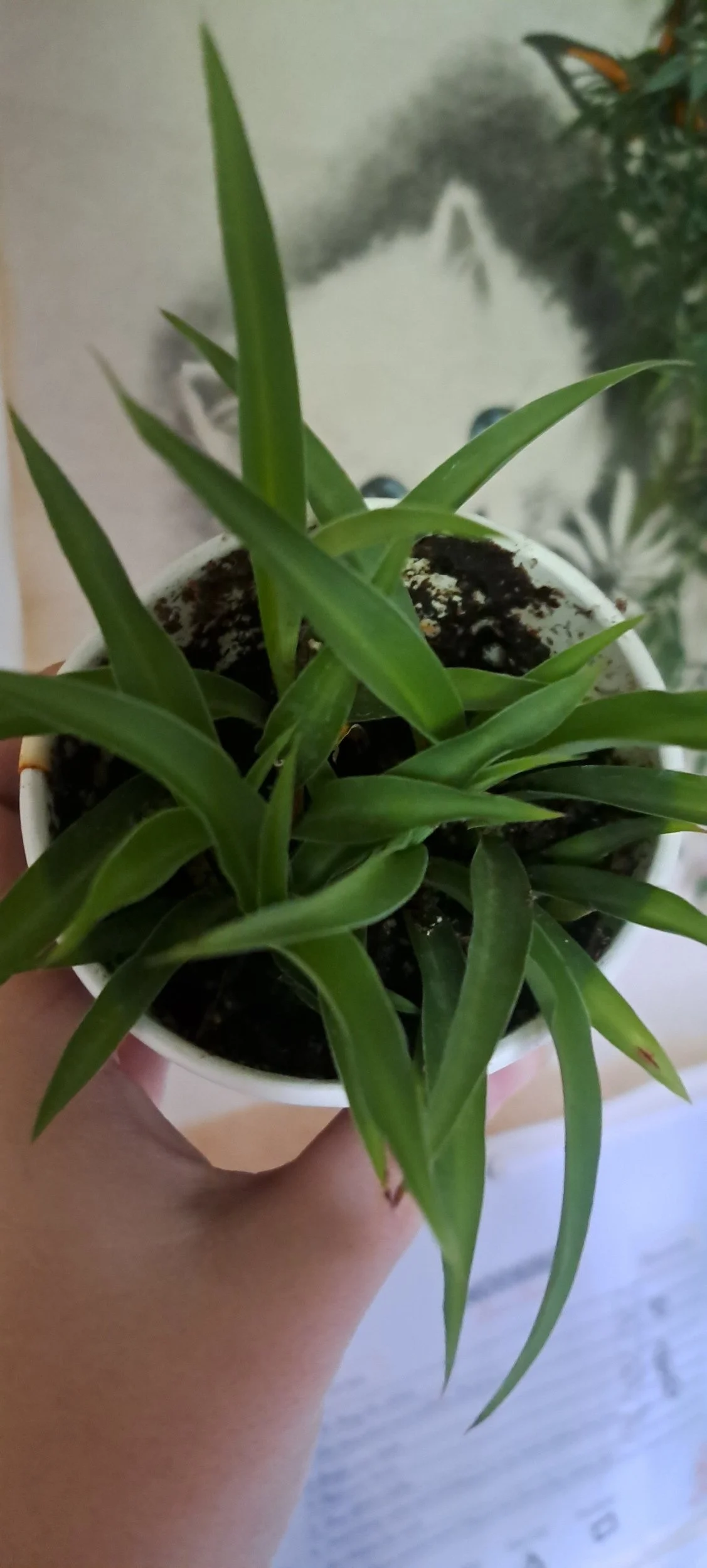
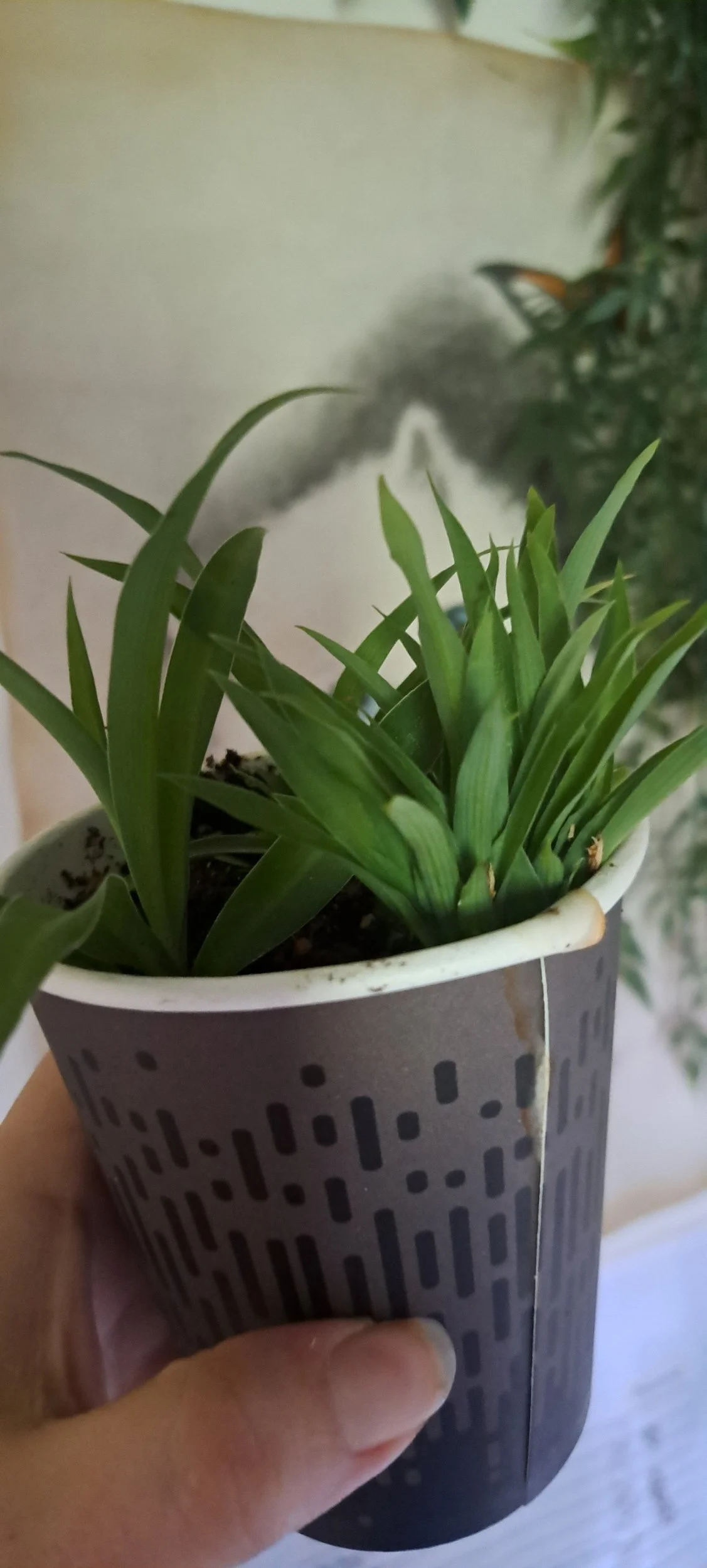
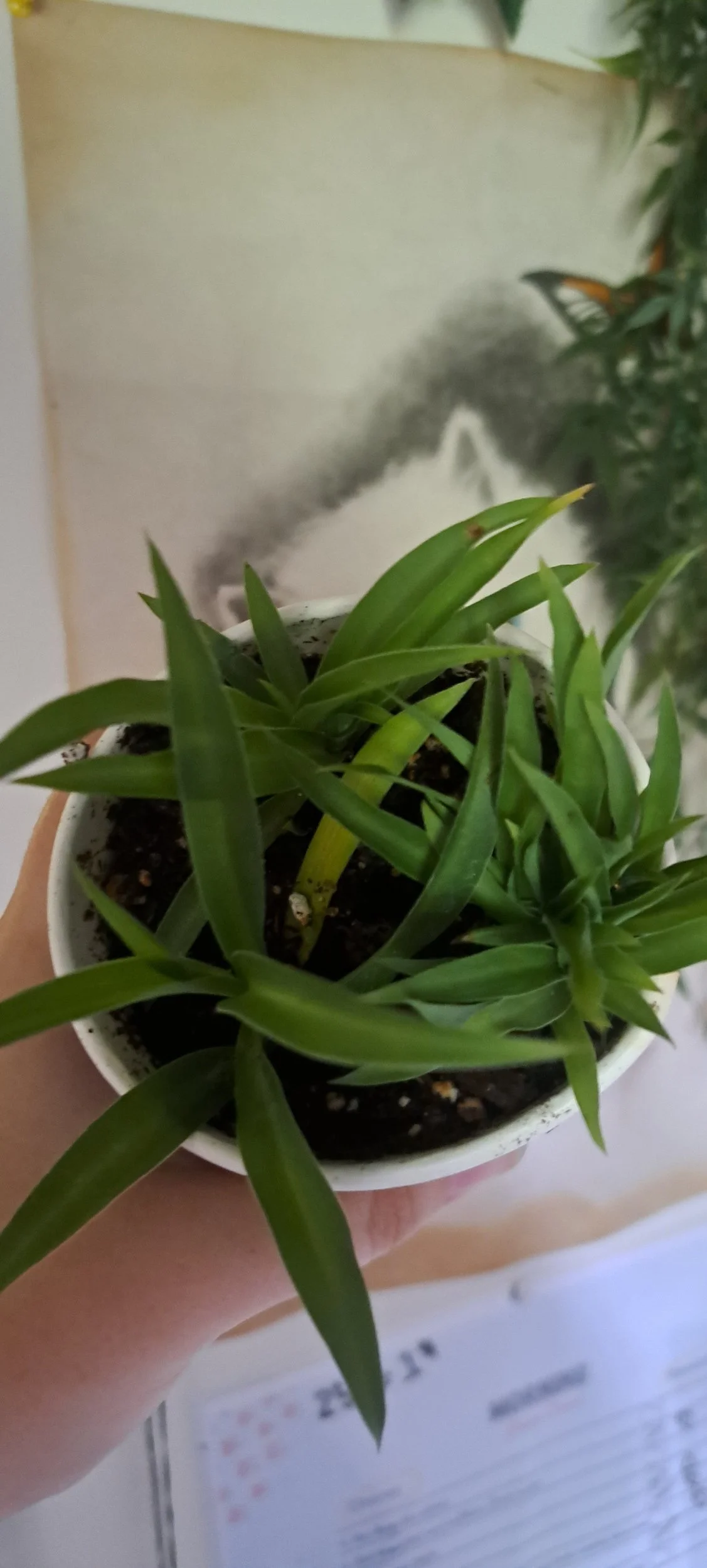
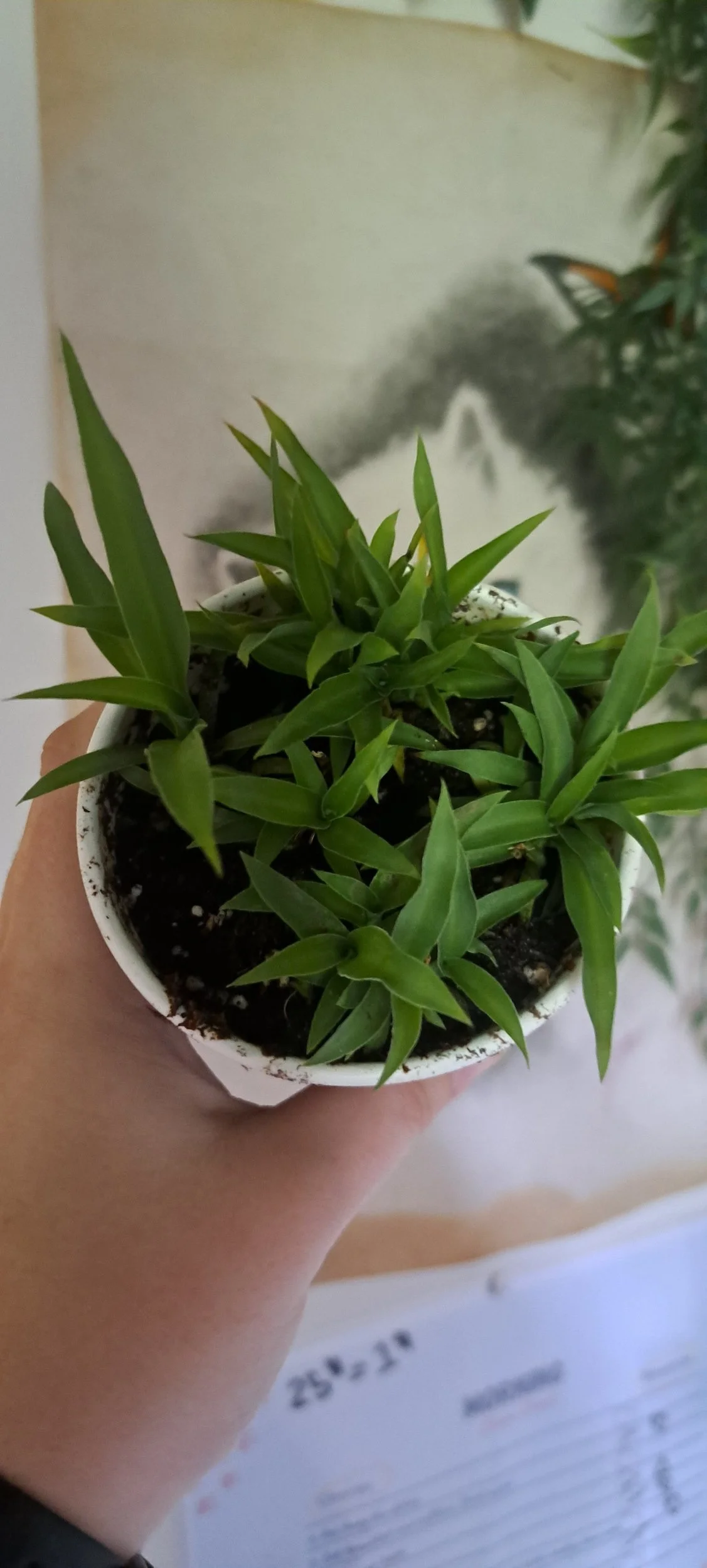
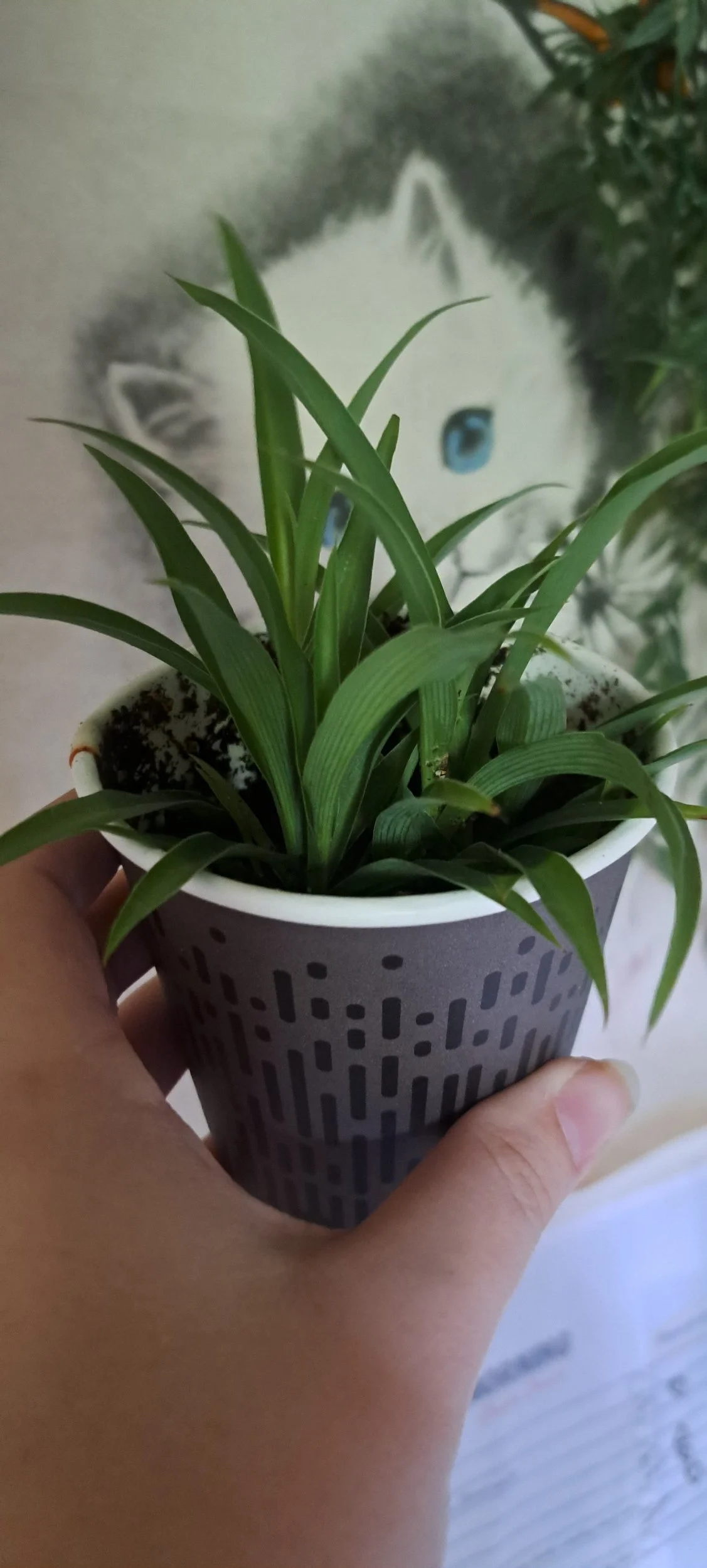
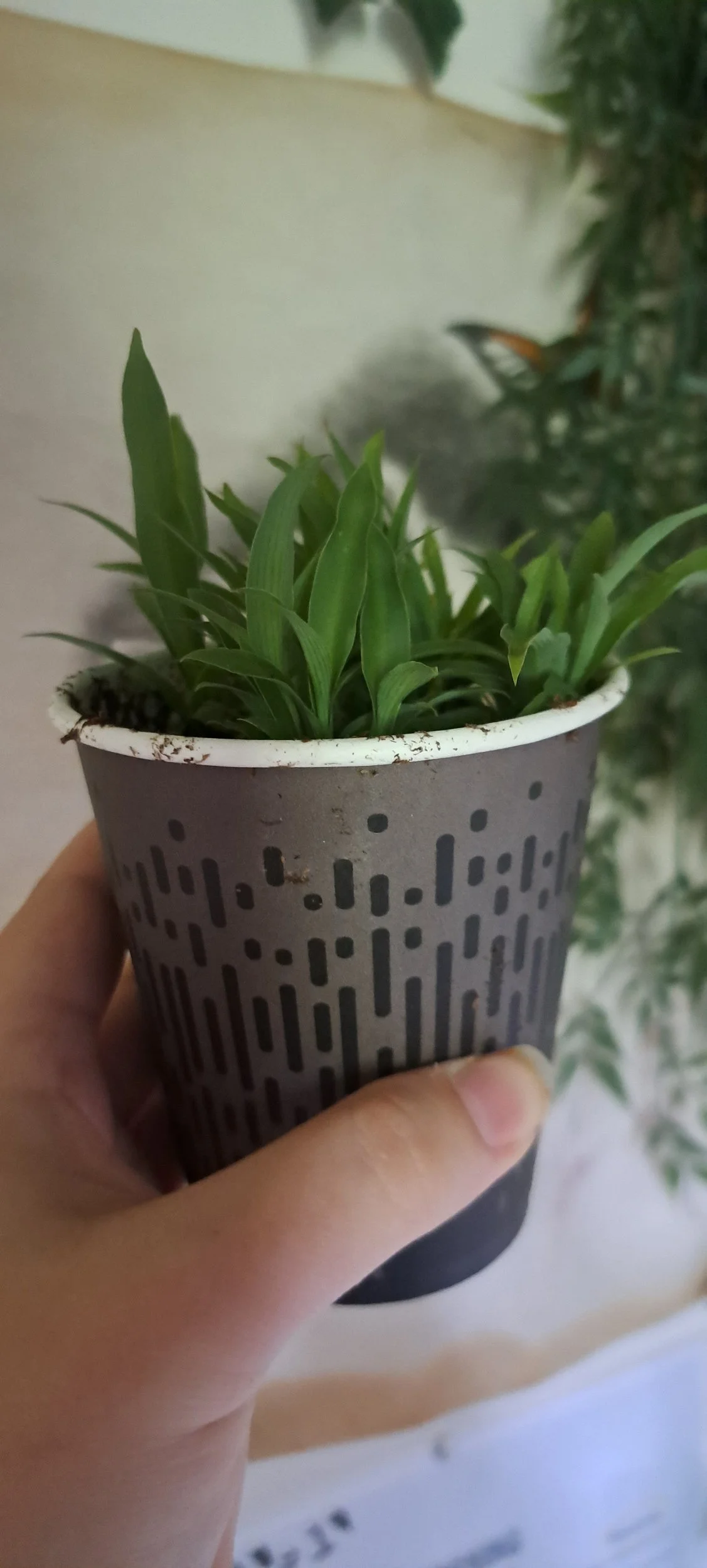
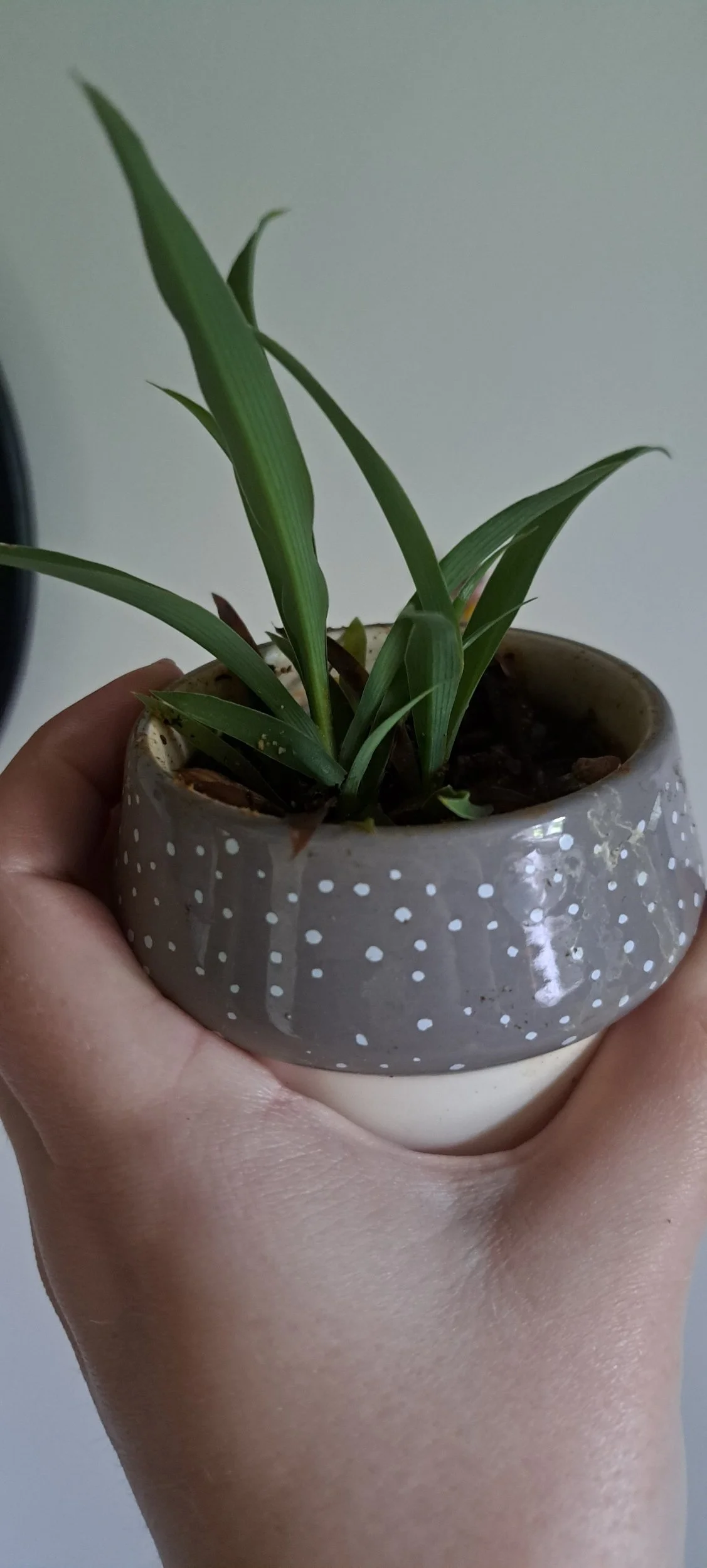
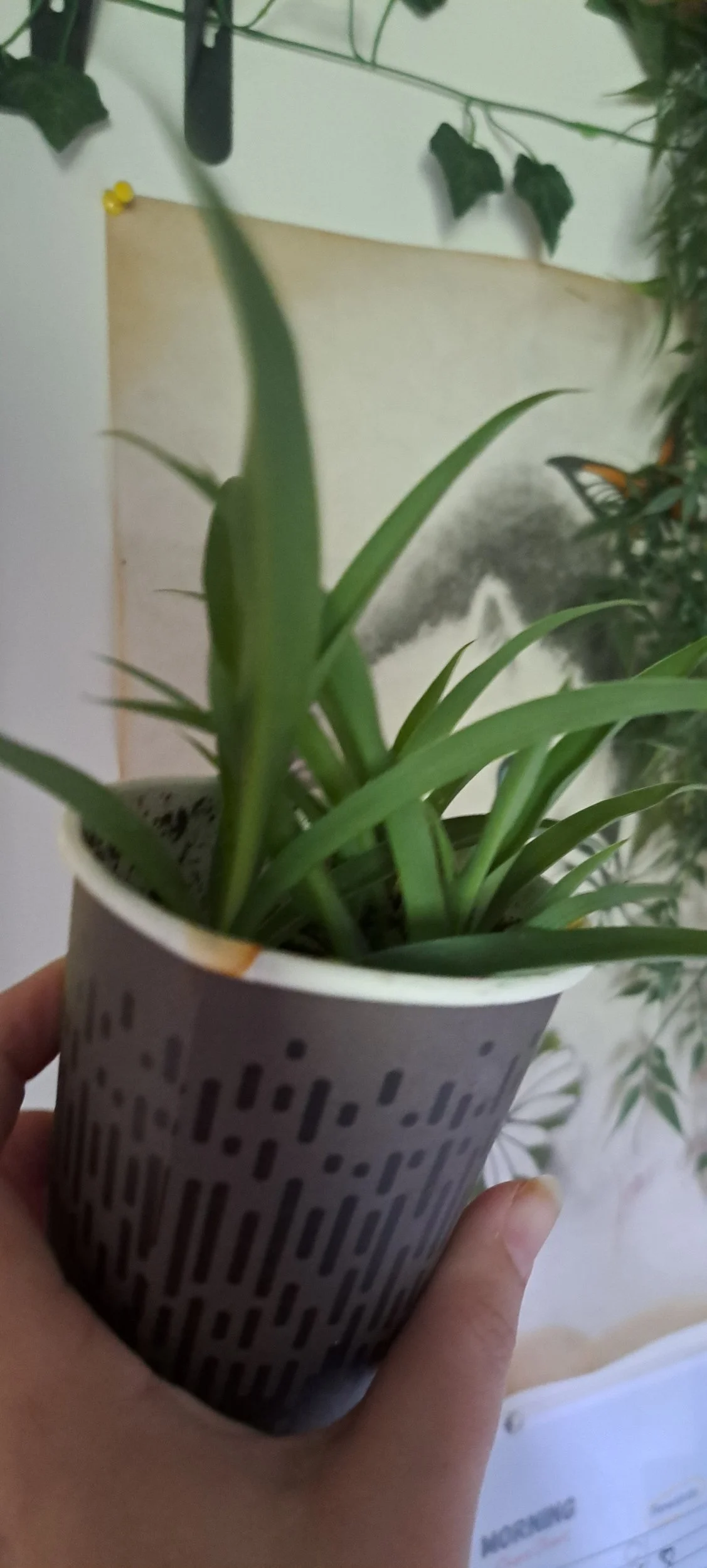
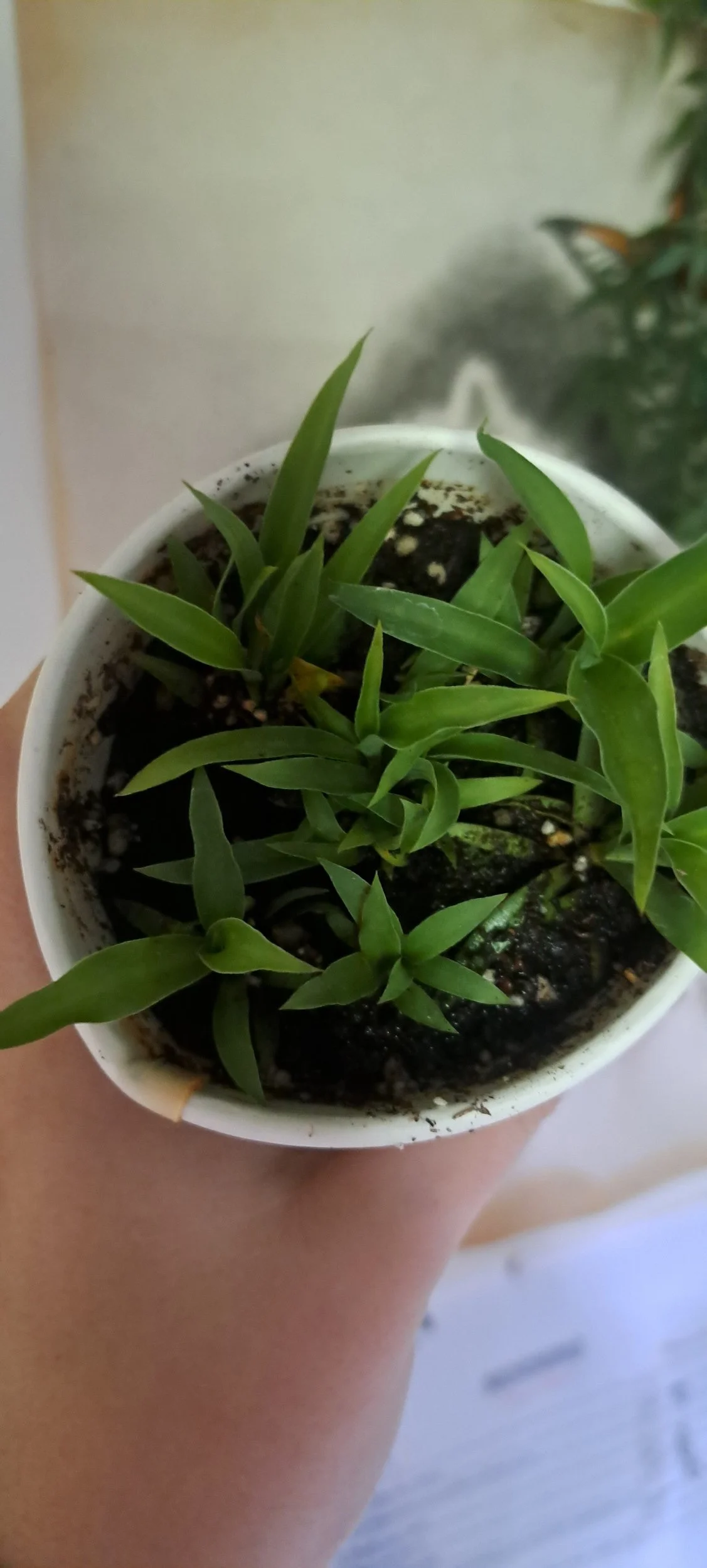
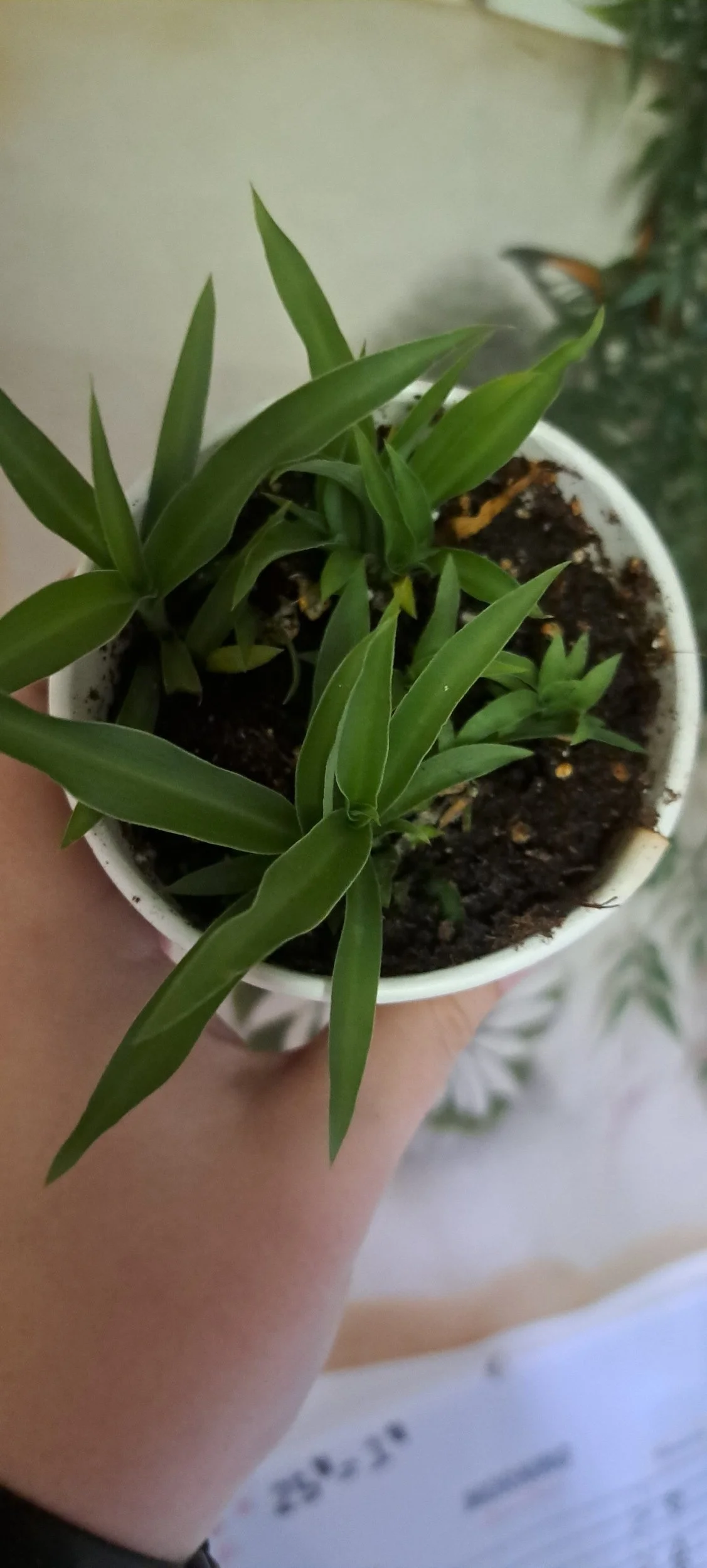
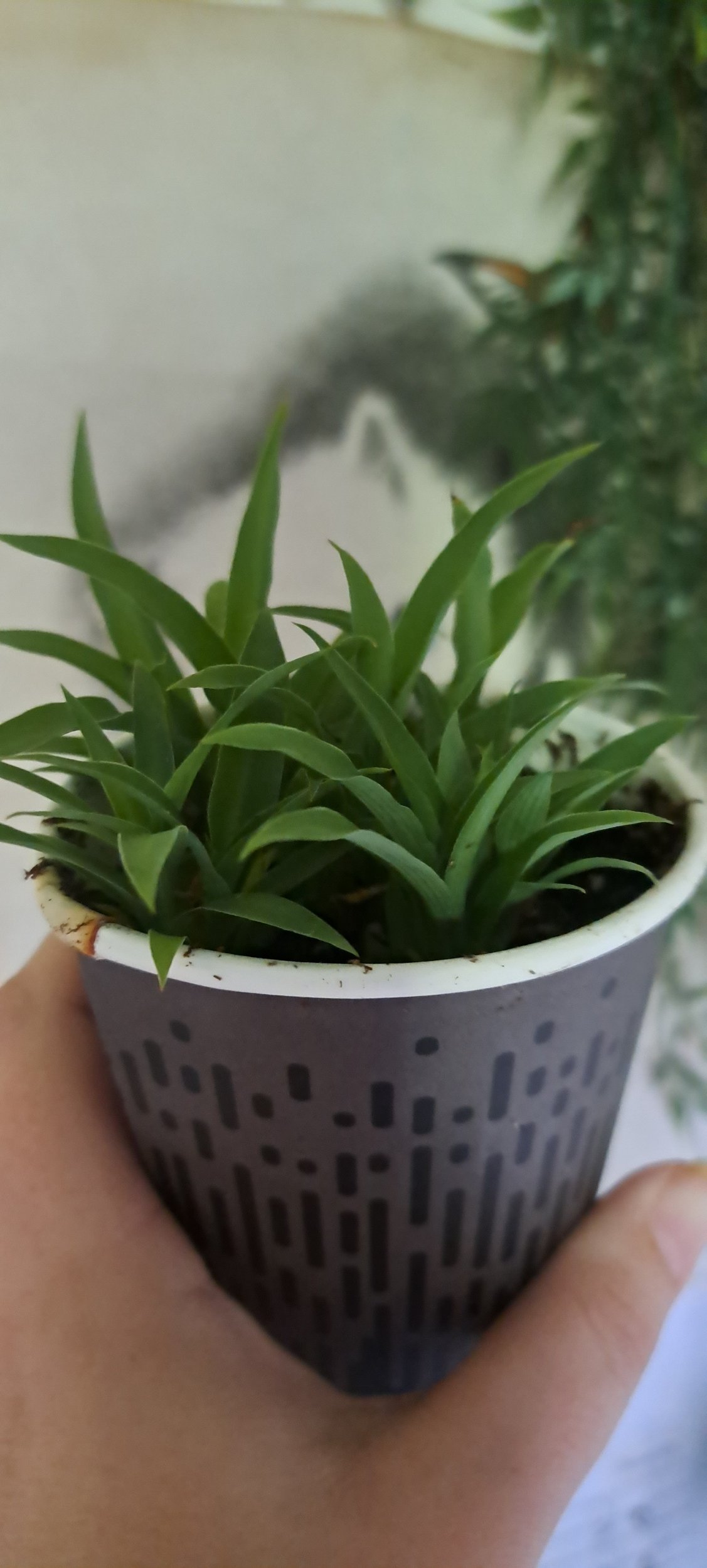
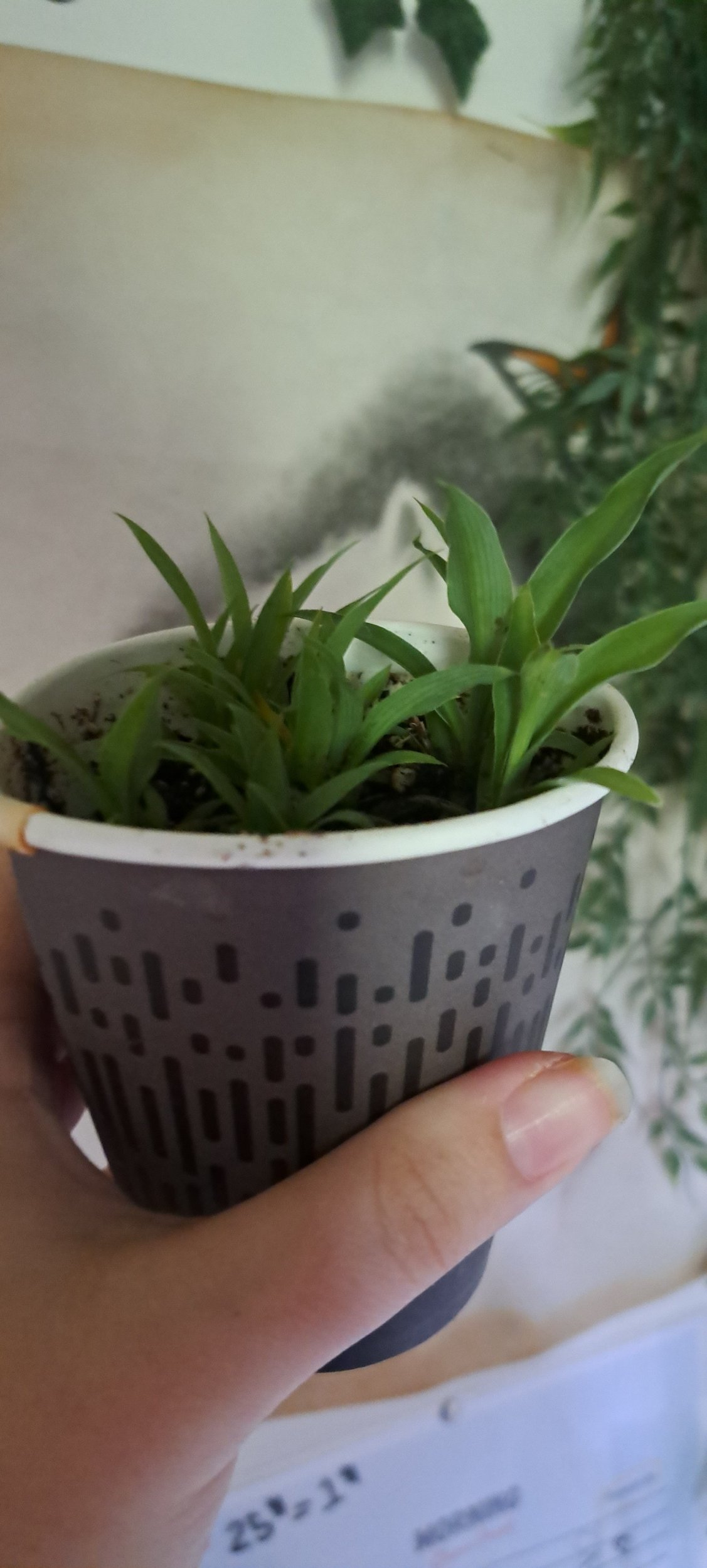
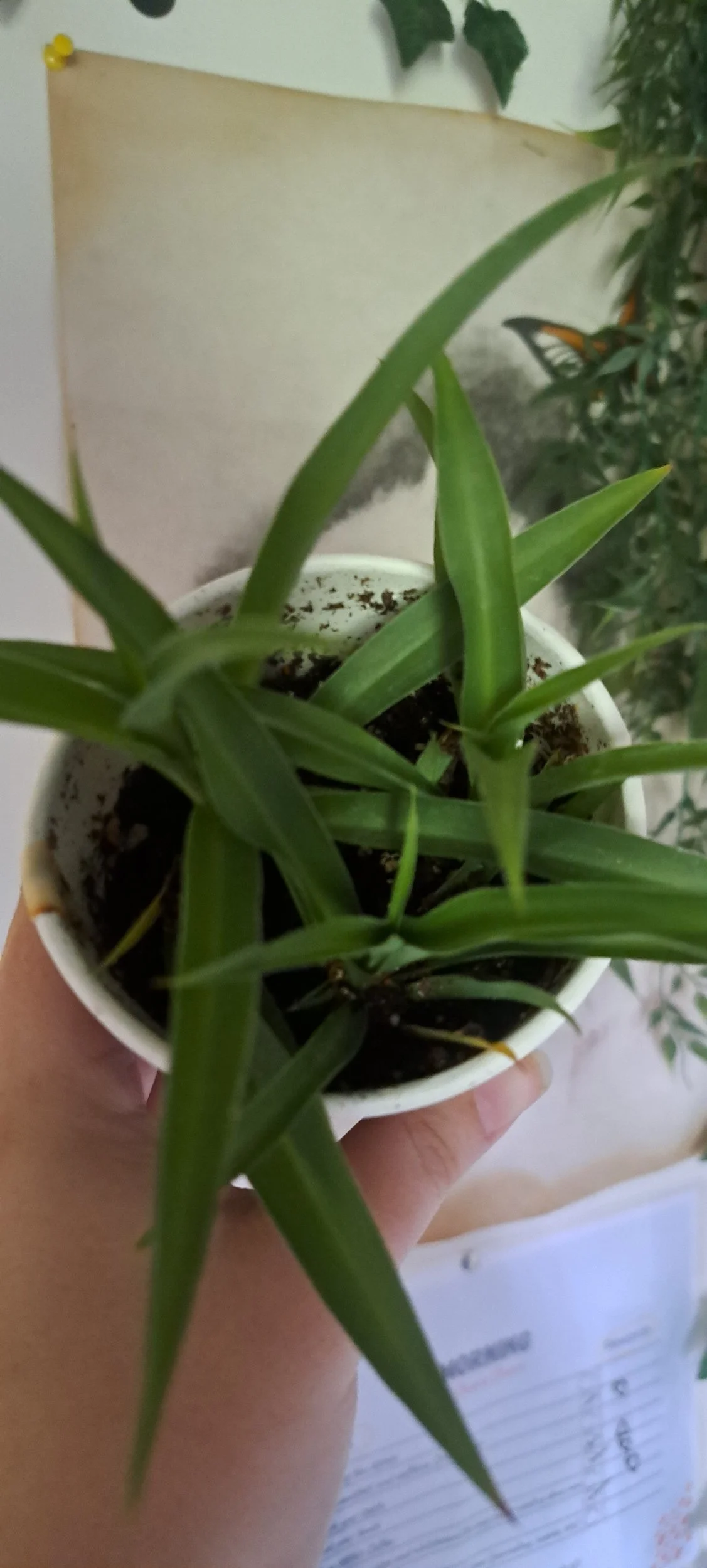
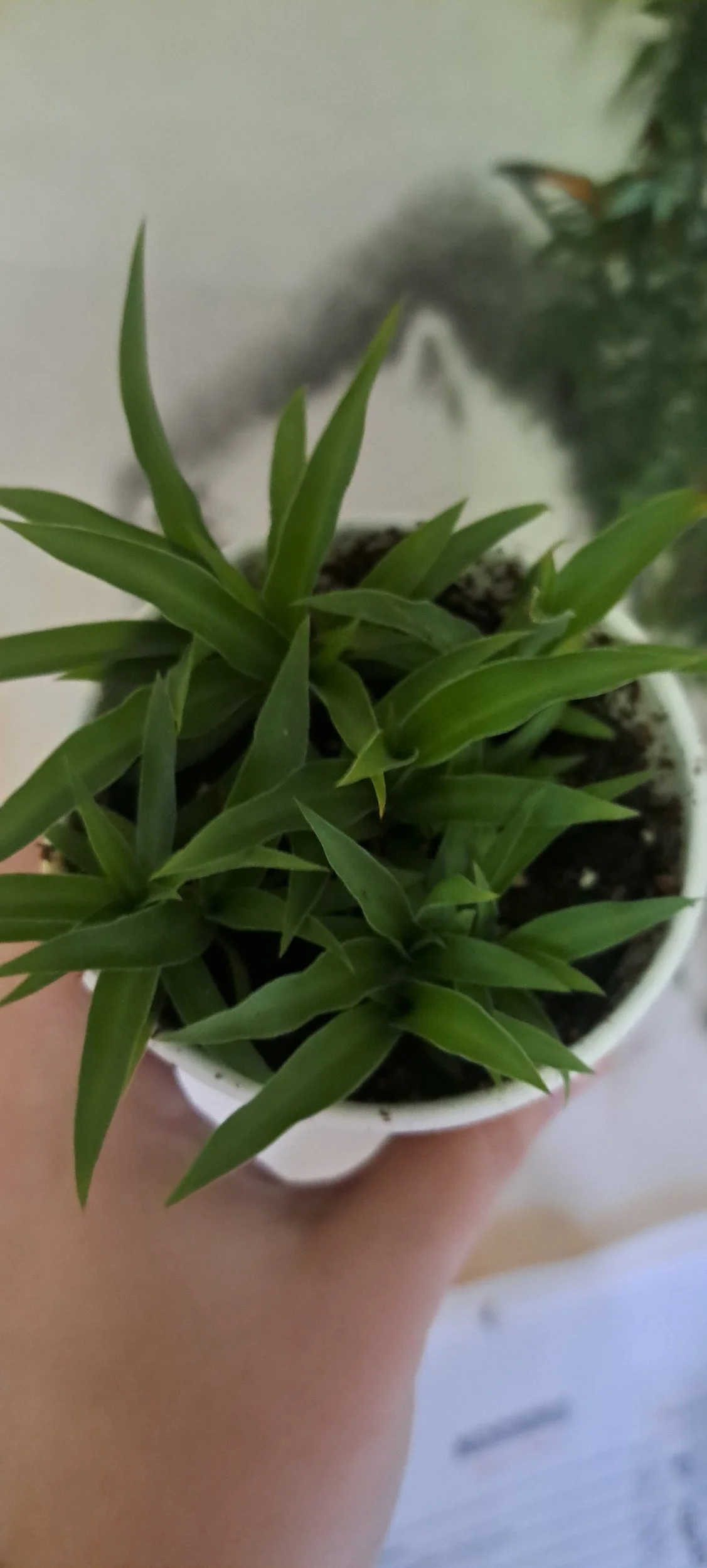
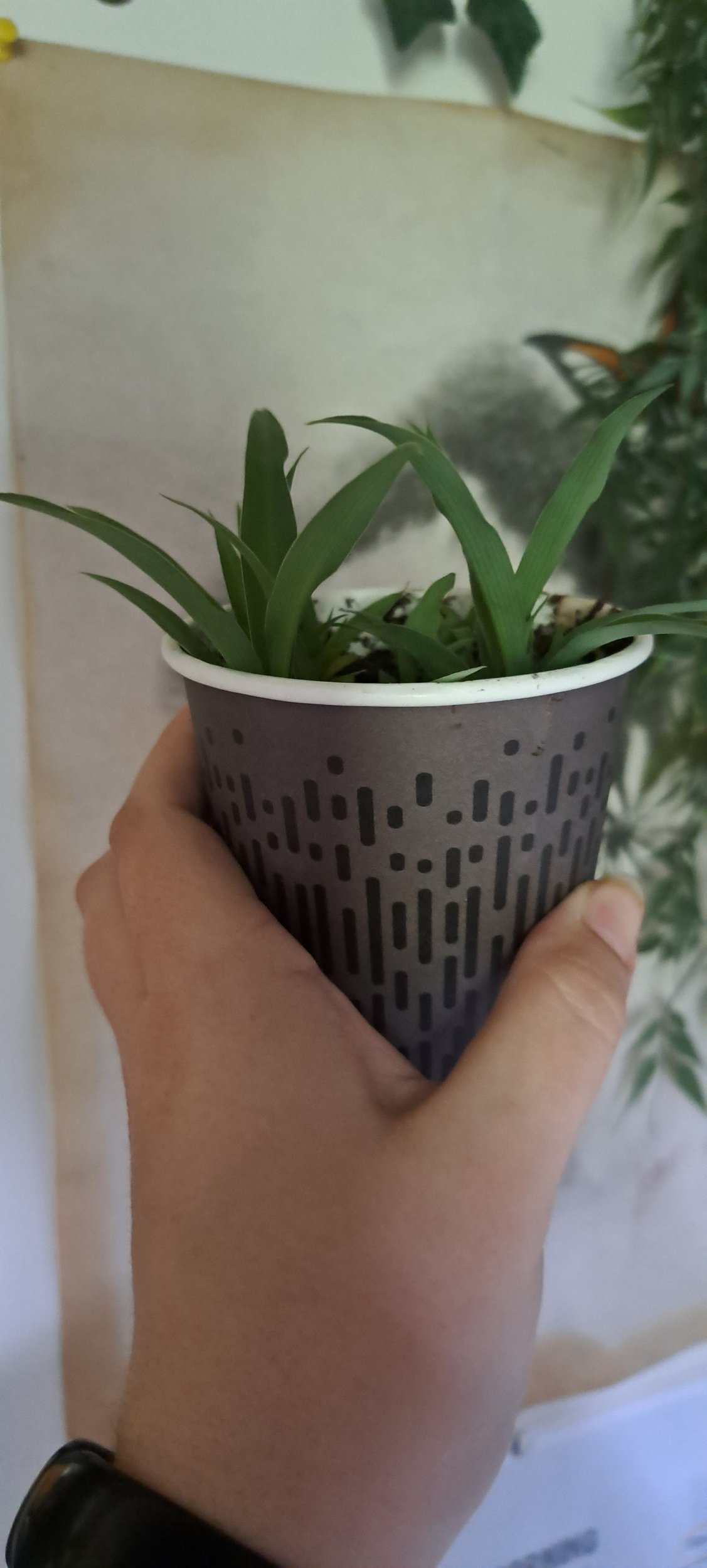
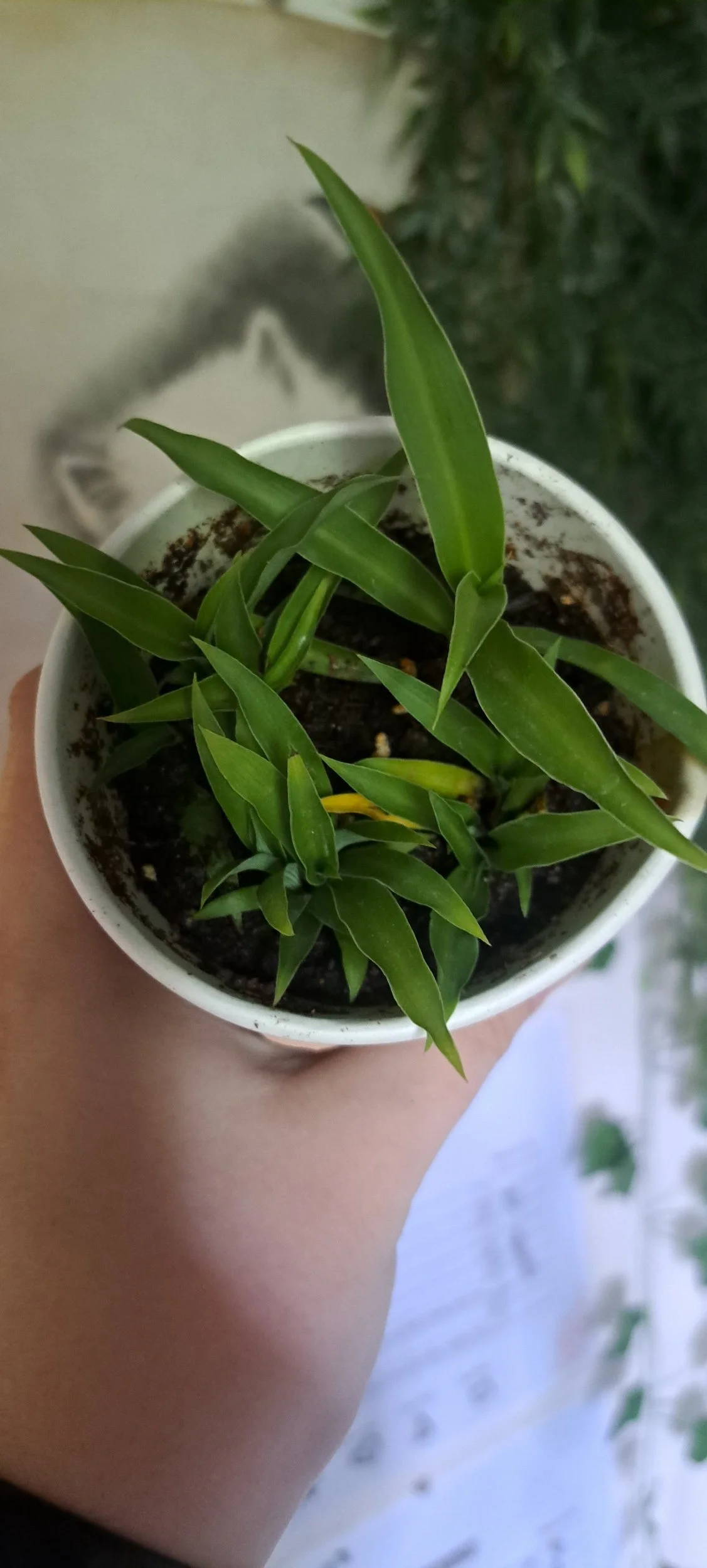
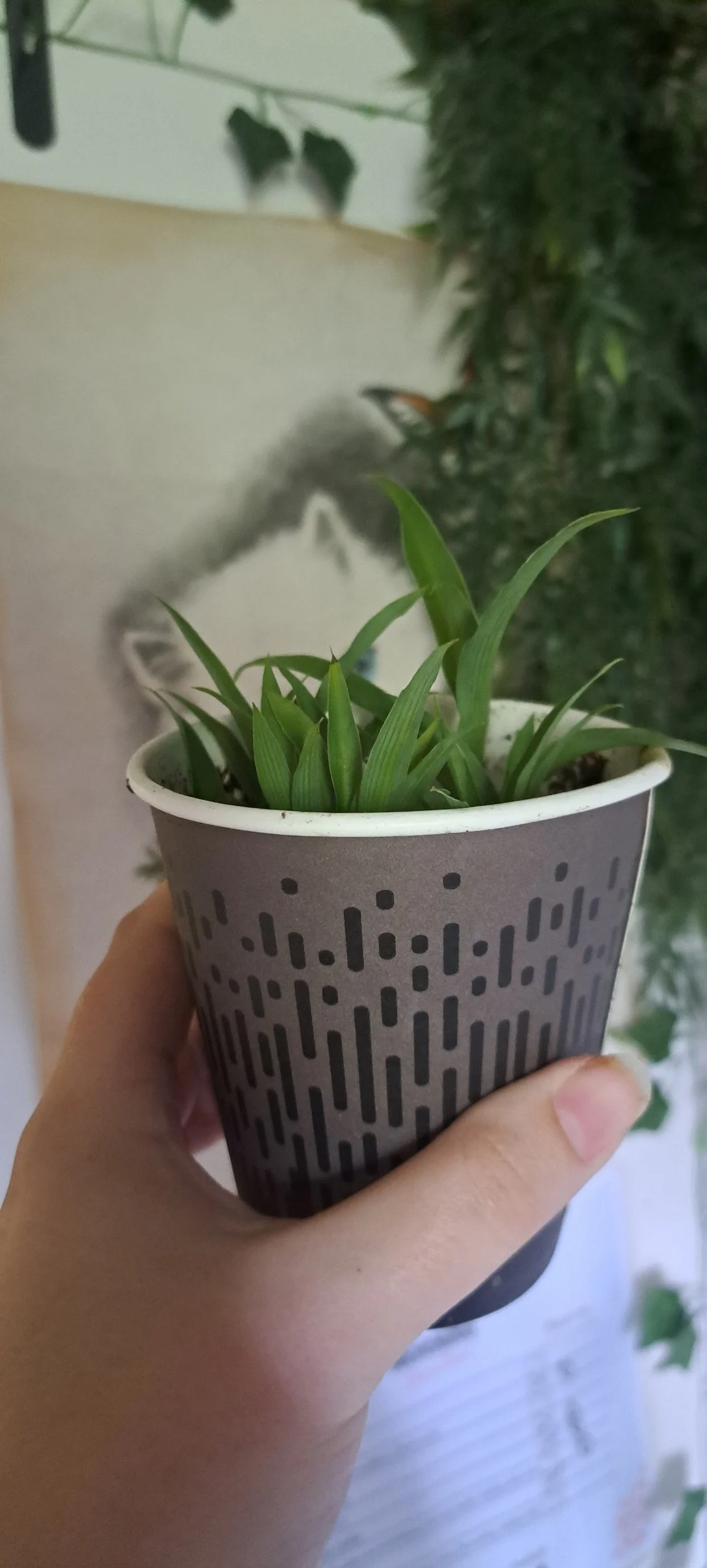
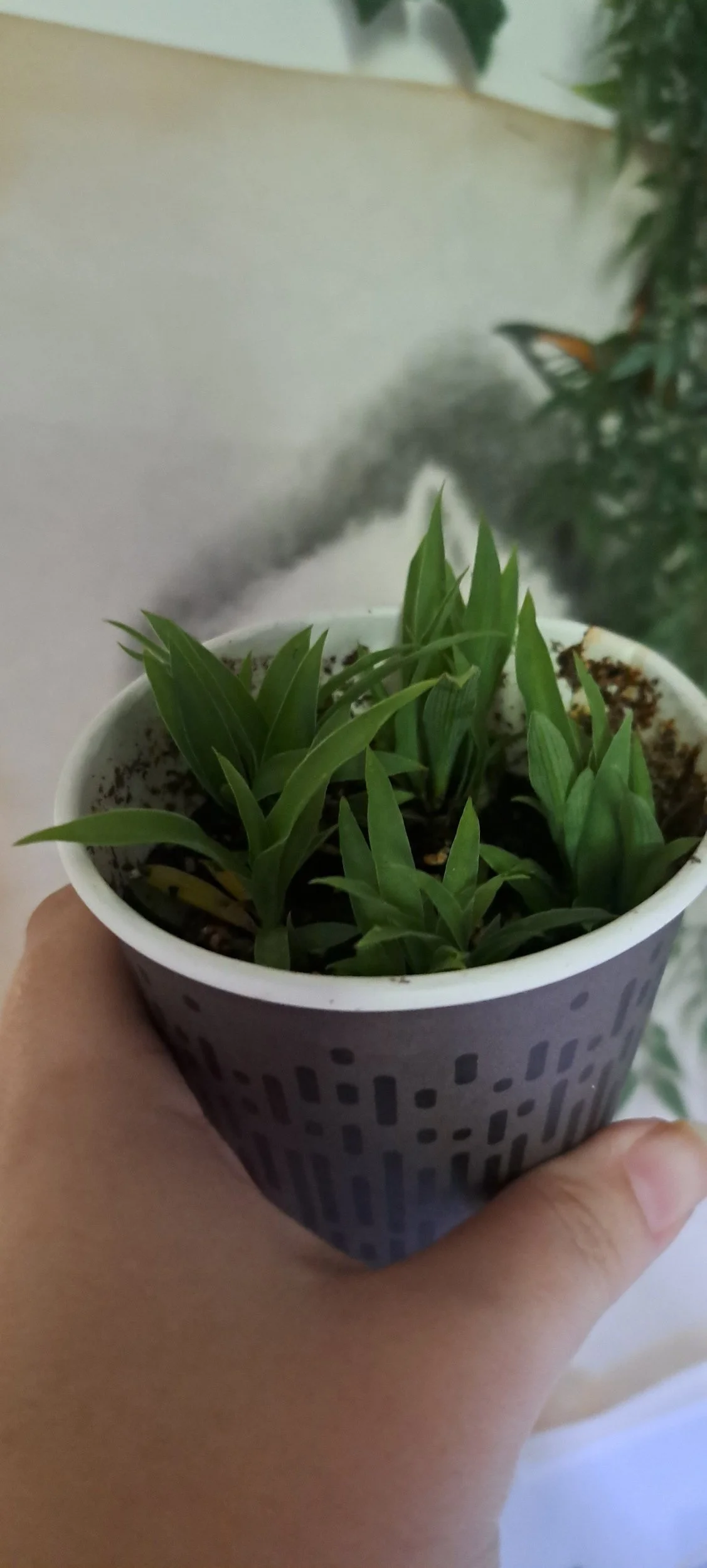
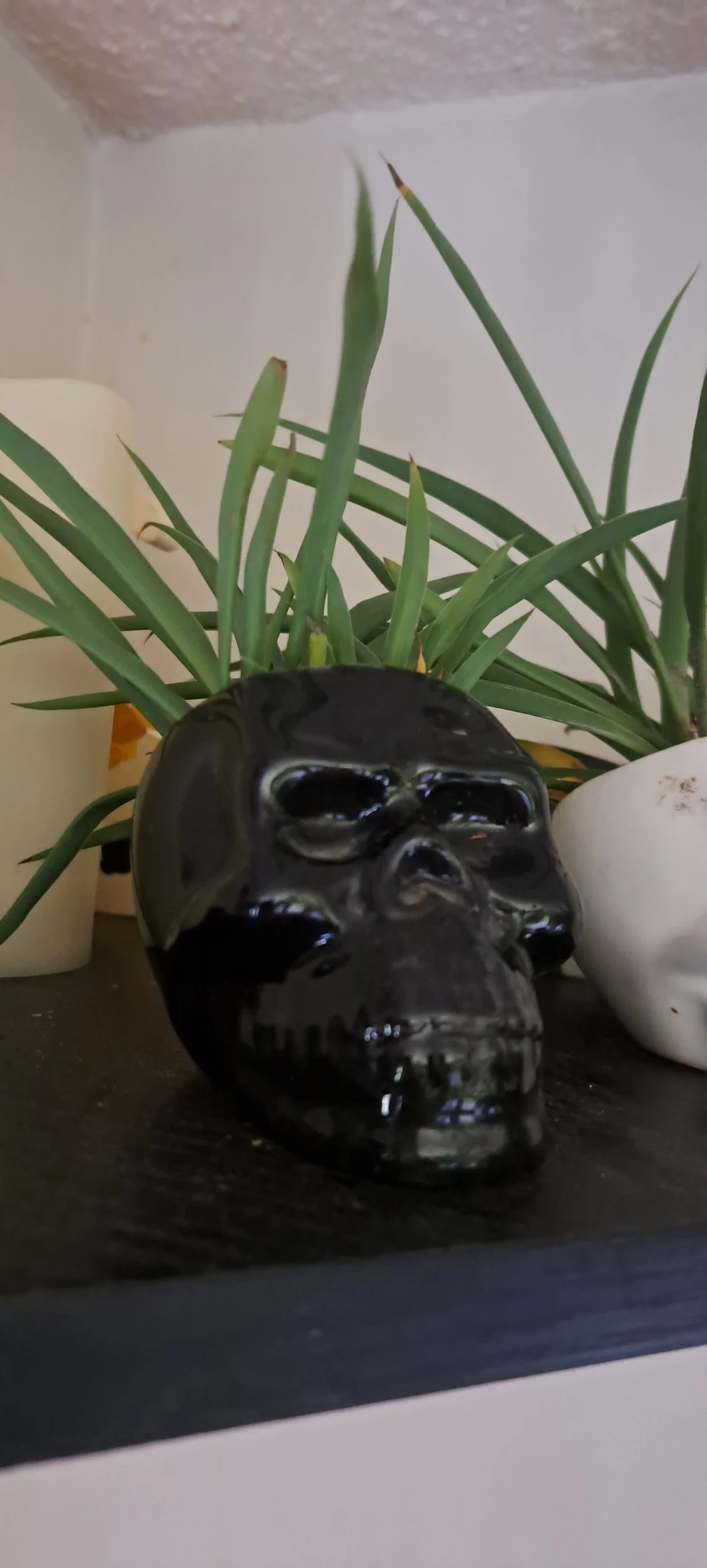
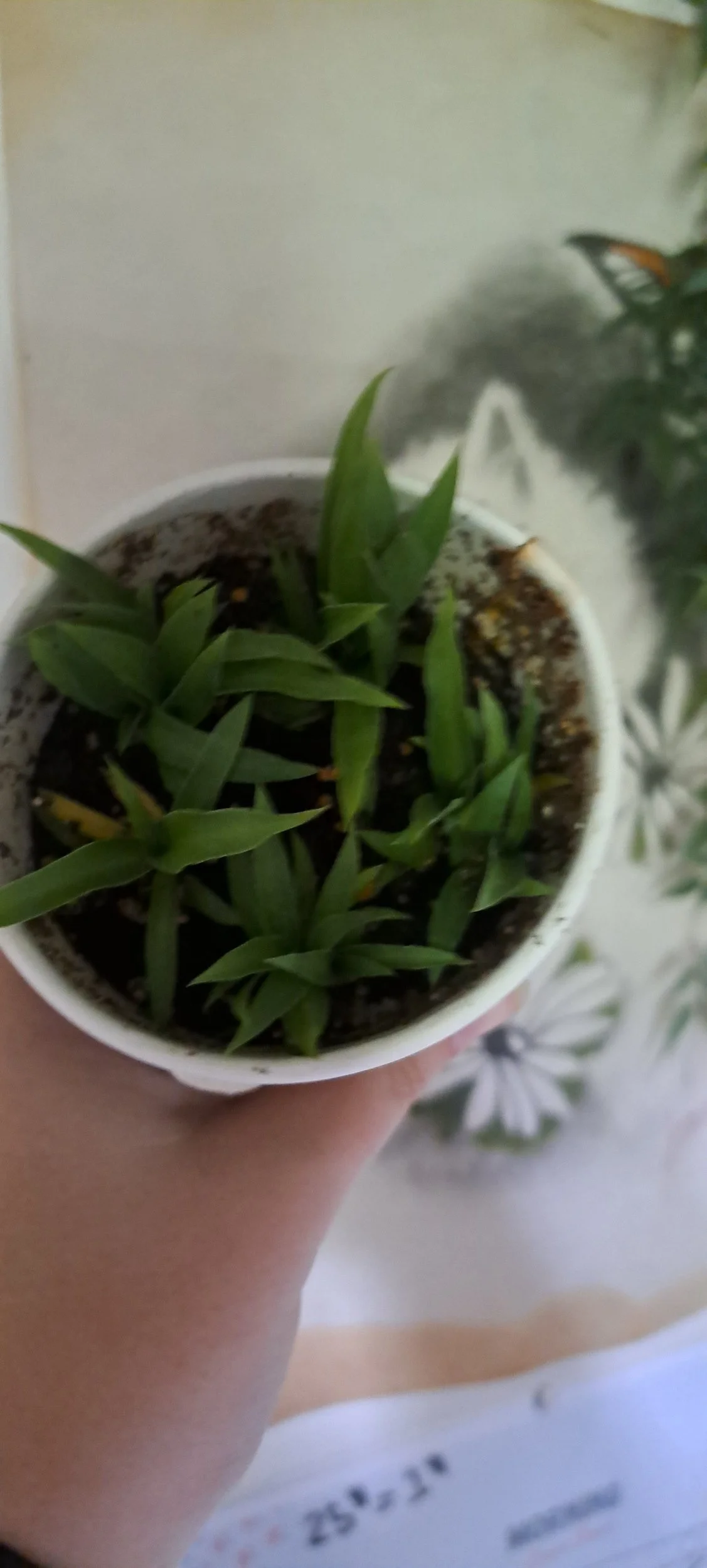
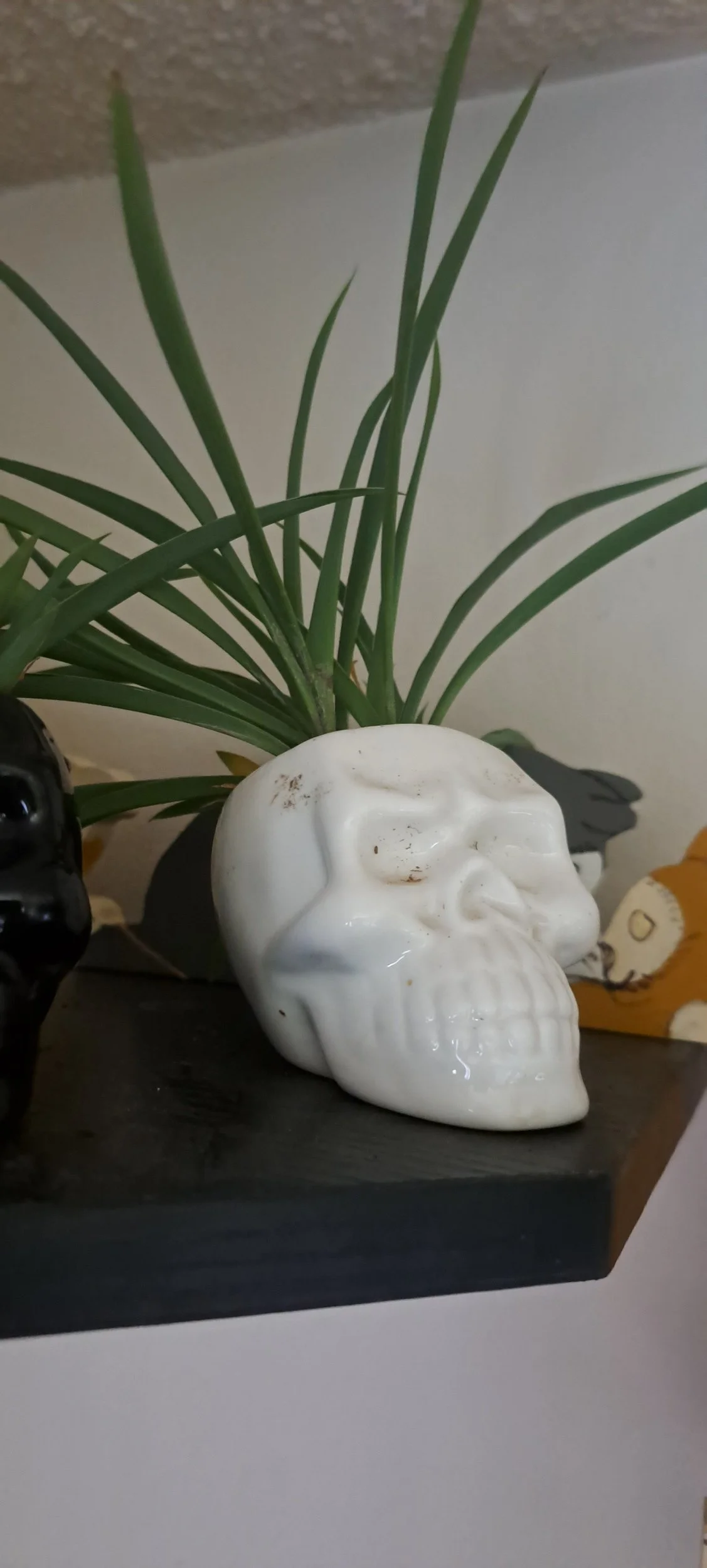
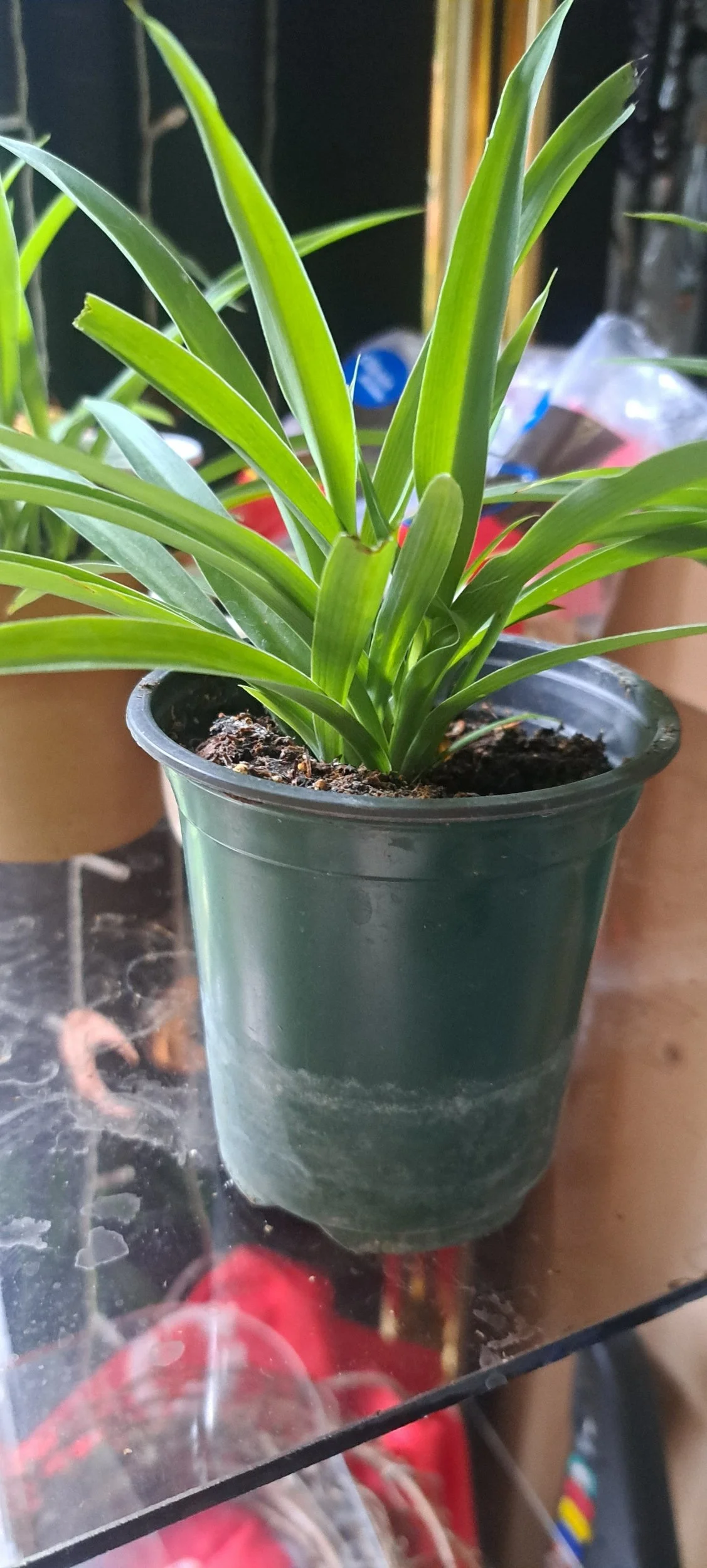
Spider Plant Sprouts
Spider plants are highly popular houseplants prized for being pet-safe, beginner friendly and their air purifying properties! They require minimal maintenance and adapt well to various lighting and watering conditions.
Pet-Friendly: Unlike many popular houseplants (such as peace lilies or pothos), spider plants are non-toxic to cats and dogs. That said, eating too much of the plant can cause gastrointestinal upset so if you have a plant chewing pet, it’s best to keep it out of reach!
Why a spider plant?
Air Purification: They are well-known for absorbing airborne pollutants and volatile organic compounds (VOCs) like formaldehyde and xylene from indoor air.
Low Maintenance: They are incredibly resilient, tolerating inconsistent watering and forgiving those who occasionally neglect their care.
Easy Propagation:
A happy plant frequently produces long stems with "pups" (baby spiderettes) that you can easily snip and propagate in water to create new plants.
Mood & Sleep Support: Like many indoor plants, adding them to bedrooms or home offices can reduce stress, ease mental fatigue, and increase oxygen levels.
Care Tips
To keep your spider plant thriving and reaping these benefits:
Light: Place in bright, indirect sunlight, though they can adapt to low-light rooms like basements.
Water: Allow the soil to dry out between waterings. Use filtered water if possible, as their sensitive leaf tips can brown due to fluoride found in tap water.
These plants like to be root bound so don’t move them into too big of a pot! Once established they will start flowering and producing baby spiderettes of their own! These can be left on the plant or snipped off and planted in soil or propagated in water! (I will be posting a video on how to do this soon!)
Spider plants are highly popular houseplants prized for being pet-safe, beginner friendly and their air purifying properties! They require minimal maintenance and adapt well to various lighting and watering conditions.
Pet-Friendly: Unlike many popular houseplants (such as peace lilies or pothos), spider plants are non-toxic to cats and dogs. That said, eating too much of the plant can cause gastrointestinal upset so if you have a plant chewing pet, it’s best to keep it out of reach!
Why a spider plant?
Air Purification: They are well-known for absorbing airborne pollutants and volatile organic compounds (VOCs) like formaldehyde and xylene from indoor air.
Low Maintenance: They are incredibly resilient, tolerating inconsistent watering and forgiving those who occasionally neglect their care.
Easy Propagation:
A happy plant frequently produces long stems with "pups" (baby spiderettes) that you can easily snip and propagate in water to create new plants.
Mood & Sleep Support: Like many indoor plants, adding them to bedrooms or home offices can reduce stress, ease mental fatigue, and increase oxygen levels.
Care Tips
To keep your spider plant thriving and reaping these benefits:
Light: Place in bright, indirect sunlight, though they can adapt to low-light rooms like basements.
Water: Allow the soil to dry out between waterings. Use filtered water if possible, as their sensitive leaf tips can brown due to fluoride found in tap water.
These plants like to be root bound so don’t move them into too big of a pot! Once established they will start flowering and producing baby spiderettes of their own! These can be left on the plant or snipped off and planted in soil or propagated in water! (I will be posting a video on how to do this soon!)